
Introduction
The world of gaming has evolved at an unprecedented rate over the last few decades. From the early days of arcade machines to the emergence of home consoles and personal computers, gaming has continually expanded its reach. In recent years, one of the most significant developments in this digital entertainment sector is the rise of iGaming, a term that encompasses all forms of online gaming and gambling. This blog post takes an in-depth look at iGaming, exploring its origins, types, technologies, and the future outlook for this rapidly growing industry.
What is iGaming?
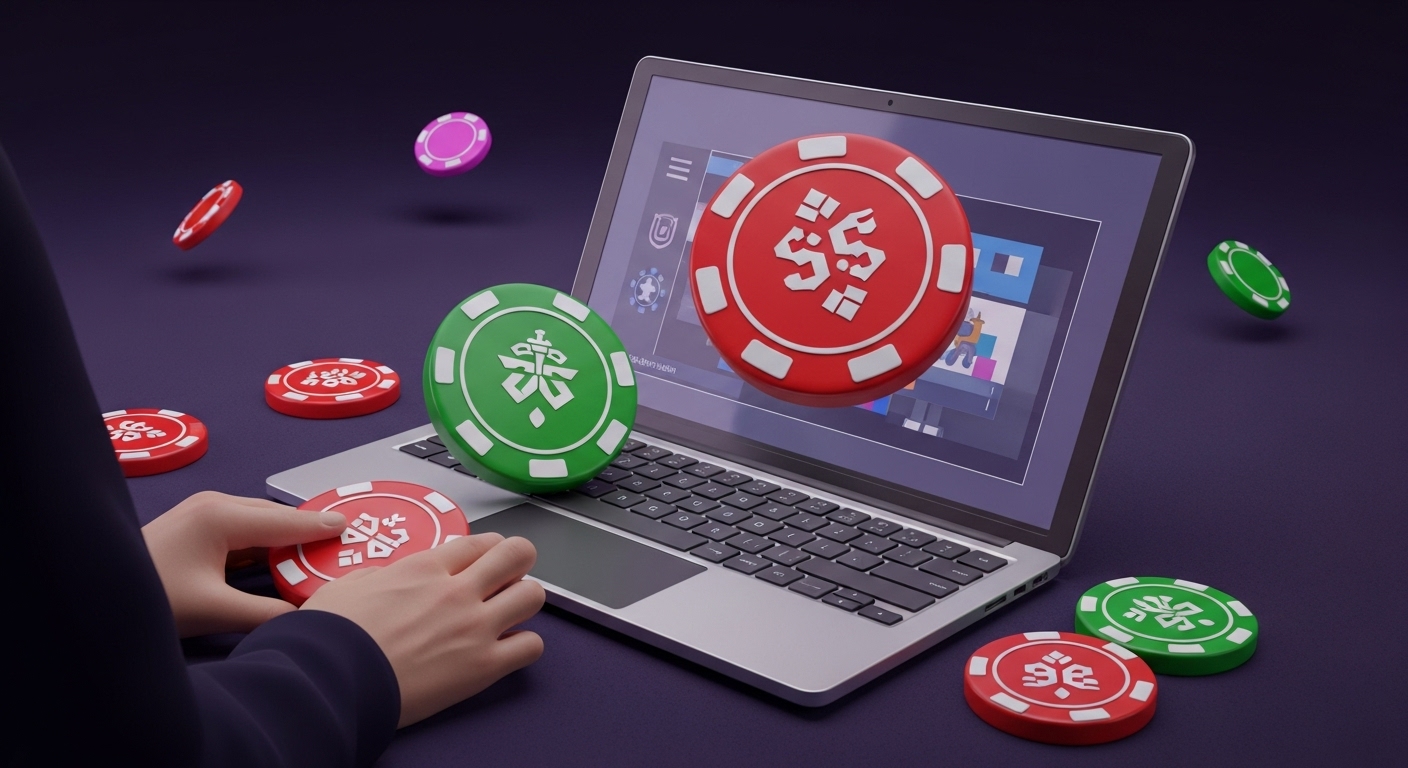
The term “iGaming” refers to online gaming, where players can participate in gambling activities via the internet. This includes a wide range of games, from online casinos and sports betting to virtual poker and esports. The common thread that ties all these games together is the integration of real-money wagering. In essence, iGaming allows individuals to engage in their favorite gambling activities remotely, whether from the comfort of their home or on the go through mobile devices.
While traditional casinos have been around for centuries, the digital age has brought about a seismic shift in how people access these games. Today, players no longer need to travel to physical casinos to try their luck; instead, they can simply log in to a secure platform, make a deposit, and begin playing. The convenience, coupled with advancements in technology, has made iGaming a multi-billion-dollar global industry.
A Brief History of iGaming
The history of iGaming dates back to the mid-1990s, when the first online casinos emerged. The concept of gambling on the internet gained significant traction with the launch of the first fully functional online casino, InterCasino, in 1996. By the late 1990s, several other online gambling platforms had launched, providing players with the opportunity to play traditional casino games like blackjack, poker, and roulette from their computers.
The early days of online casinos were marked by slow internet speeds and rudimentary game designs. However, as internet infrastructure improved, so did the gaming experience. The introduction of broadband internet in the early 2000s allowed for faster, more seamless gameplay. Additionally, the development of advanced software and more sophisticated graphics transformed the online gambling experience, attracting a broader audience.
In the years since, the industry has expanded beyond traditional casino games to include sports betting, online poker, esports betting, virtual sports, and even new formats like live dealer casinos, where players interact with real dealers via live video streams. Mobile gaming also played a significant role in the growth of iGaming, making it possible for players to gamble anywhere and anytime.
Different Types of iGaming
The iGaming industry encompasses a diverse range of gaming experiences. Some of the most prominent categories of iGaming include:
1. Online Casino Games
Online casinos are arguably the most popular form of iGaming. They allow players to access a variety of classic casino games, including:
- Slots: Online slot games are a massive part of the online casino market. They range from simple three-reel games to complex video slots with multiple paylines, bonus rounds, and progressive jackpots.
- Table Games: These games include blackjack, roulette, baccarat, and craps, where players wager real money on games that simulate the experiences found in land-based casinos.
- Live Dealer Games: In live dealer games, players can interact with real human dealers via video streaming. This provides a more authentic casino experience, complete with real-time gameplay and social interaction.
2. Sports Betting
Sports betting is another major component of iGaming. It involves placing wagers on the outcomes of various sporting events, from football and basketball to tennis, golf, and horse racing. In-play or live betting has become a particularly popular feature, allowing bettors to place wagers during the course of a match, making the experience even more dynamic and engaging.
3. Online Poker
Poker has a long history in gambling, and the digital age has only made it more accessible. Online poker rooms allow players to compete in various formats, such as cash games, tournaments, and sit-and-go games. The most popular forms of online poker include Texas Hold’em, Omaha, and Seven-Card Stud. Online poker has also given rise to high-profile tournaments like the World Series of Poker (WSOP), which are broadcast live and attract millions of viewers.
4. Esports Betting
Esports, or competitive video gaming, has exploded in popularity in recent years. Titles such as League of Legends, Dota 2, Counter-Strike, and Fortnite have garnered massive audiences, leading to the rise of esports betting. Players can wager on the outcome of esports tournaments or individual matches, similar to how they would bet on traditional sports events.
5. Virtual Sports
Virtual sports are computer-generated simulations of real-world sports events. These games are designed to mimic the excitement of actual sports competitions, such as football, basketball, or horse racing. The outcomes are determined by algorithms and random number generators, and players can place bets on these simulated events in real time. Virtual sports are particularly popular in regions where real-world sports betting is restricted or where a constant stream of sports events is unavailable.
Key Drivers Behind iGaming Growth
Several factors have contributed to the meteoric rise of iGaming in recent years. These include:
1. Technological Advancements
The development of fast, reliable internet connections has made online gaming more accessible and enjoyable. High-definition graphics, 3D technology, and seamless gameplay have improved the overall gaming experience. Additionally, the rise of mobile devices has made it possible for players to enjoy iGaming wherever they are, leading to greater participation and higher revenues.
2. Mobile Gaming
The widespread use of smartphones and tablets has revolutionized the gaming industry. Mobile gaming has allowed iGaming to reach an even larger audience. Players can now gamble from their mobile devices, whether they’re waiting in line, commuting, or relaxing at home. Mobile-friendly platforms have led to the creation of apps for iGaming, which enable players to access their favorite games on the go.
3. Global Accessibility
The internet has opened the doors to iGaming for players around the world. As internet penetration continues to rise, more and more people are gaining access to online gambling platforms. In regions where traditional casinos are scarce or non-existent, iGaming offers a convenient alternative. The ability to play and bet in multiple languages and currencies has also made iGaming more accessible to a global audience.
4. Regulation and Licensing
As the iGaming industry has grown, many governments have introduced regulatory frameworks to oversee online gambling. Licensing and regulation help protect players, ensure fair play, and prevent illegal activities. Countries like the UK, Malta, and Gibraltar have established themselves as key jurisdictions for iGaming, offering licenses that allow operators to legally offer their services to players around the world.
The Legal and Regulatory Landscape of iGaming
While iGaming is legal in many parts of the world, its regulation varies significantly by country. Some countries, such as the UK, Spain, and Sweden, have robust regulatory frameworks that govern the industry. These regulations often require operators to obtain licenses and comply with strict standards related to player protection, responsible gambling, and game fairness.
However, in other regions, iGaming is still in a legal grey area. In the United States, for example, online gambling is regulated at the state level, with some states like New Jersey and Pennsylvania offering legal iGaming options, while others continue to ban or restrict online gambling. Similarly, many countries in Asia and the Middle East impose strict bans on online gambling.
The Future of iGaming
The future of iGaming looks promising, with several emerging trends poised to shape the industry in the coming years:
1. Live Streaming and Interactive Gameplay
As live streaming continues to grow in popularity, iGaming platforms are incorporating more interactive features. Live dealer games are already popular, but the addition of social features like live chat and real-time player interaction is making these games even more engaging. Additionally, augmented reality (AR) and virtual reality (VR) could further immerse players in realistic gaming environments, transforming the way people experience online gambling.
2. Blockchain and Cryptocurrencies
Blockchain technology has the potential to revolutionize iGaming by ensuring transparency, fairness, and security. Cryptocurrencies like Bitcoin and Ethereum are already accepted by some online casinos, and their use is likely to expand. Blockchain-based platforms could also eliminate intermediaries, reducing transaction costs and improving player anonymity.
3. Increased Focus on Responsible Gambling
As the iGaming industry grows, so does the need for responsible gambling initiatives. Operators are increasingly adopting tools that allow players to set limits on their spending, monitor their gambling behavior, and self-exclude if necessary. Stricter regulations aimed at protecting vulnerable players are expected to become more common across the industry.
Conclusion
iGaming has come a long way since its humble beginnings in the mid-1990s. The industry is now a global powerhouse, driven by technological advancements, mobile gaming, and increasing consumer demand. As more players turn to online platforms for their gaming and betting needs, iGaming is set to continue growing and evolving.
With the integration of new technologies such as VR, blockchain, and cryptocurrencies, the iGaming experience is only going to get better. However, the industry must remain vigilant in promoting responsible gambling practices and adhering to legal and ethical standards to ensure its long-term success. The future of iGaming is bright, and its influence on the global entertainment market is only going to increase in the years to come.