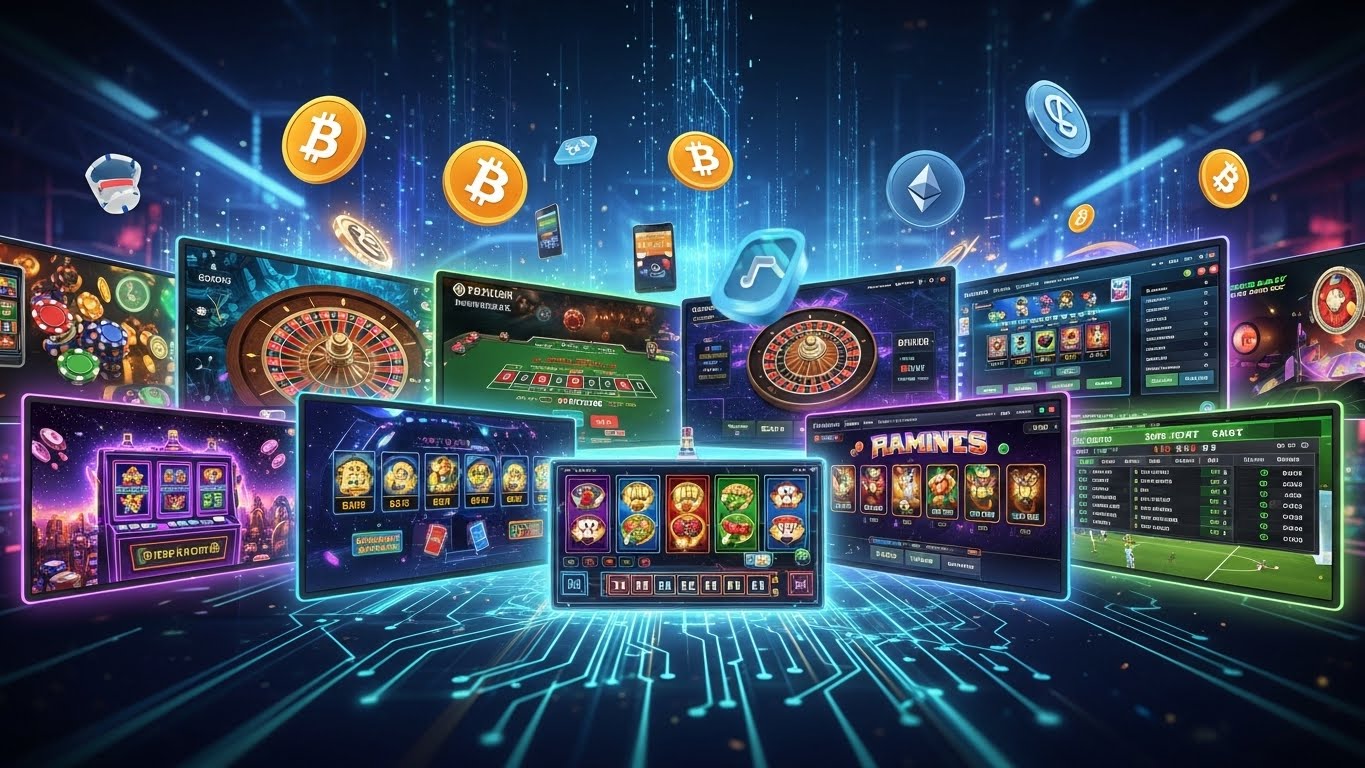

The digital age has transformed nearly every aspect of our lives, and one of the most exciting changes has been in the realm of entertainment. iGaming, or online gambling, has seen an explosion in popularity, driven by the rapid development of technology and a growing demand for convenient, immersive, and accessible gaming experiences. But iGaming is not just about placing bets—it’s a dynamic industry that’s evolving with the times, offering new opportunities for both players and operators. In this blog, we’ll explore the rise of iGaming, its impact on the gaming landscape, and what the future holds for this rapidly growing sector.
Understanding iGaming: More Than Just Online Casinos
iGaming refers to all forms of gambling that are conducted over the internet. While online casinos might be the most well-known aspect, iGaming also encompasses a wide range of other gambling activities, including online poker, sports betting, bingo, esports betting, and even fantasy sports. It’s a diverse and expansive field that attracts millions of players globally, and its appeal lies in the variety of games and platforms available.
What sets iGaming apart from traditional gambling is its ability to provide 24/7 access to gaming experiences. Players no longer have to visit physical casinos or sportsbooks to participate in their favorite games. Instead, they can log in from the comfort of their homes or even on the go, thanks to mobile-friendly platforms. This accessibility has played a significant role in the rapid growth of iGaming in recent years.
The Technology Behind the Boom
The success of iGaming wouldn’t be possible without the technological innovations that have fueled its growth. Advances in software development, encryption technologies, mobile gaming, and live-streaming capabilities have all contributed to a more immersive and secure online gambling experience.
One of the most significant technological developments is the rise of live dealer games. These games combine the excitement of traditional casino games with the convenience of online platforms. Using live video streams, players can interact with real dealers in real time, making the experience feel much more authentic. This breakthrough has bridged the gap between online and in-person gambling, offering a unique hybrid experience.
Additionally, the use of artificial intelligence (AI) and machine learning has improved personalization and fraud detection within the iGaming space. AI algorithms can track player behavior and preferences, tailoring promotions and game suggestions to individual users. Meanwhile, AI-driven security measures help detect and prevent fraudulent activities, ensuring that players can enjoy their gaming experiences with peace of mind.
The Legal Landscape of iGaming
As the popularity of iGaming continues to rise, so too does the complexity of its legal landscape. Different countries have varying regulations when it comes to online gambling, and navigating these legalities can be challenging for both players and operators. While some regions, like the United Kingdom and certain parts of Europe, have embraced iGaming with open arms, others, such as the United States, have been more hesitant.
In the U.S., the legal status of online gambling varies by state, with some states allowing online sports betting or casino games, while others still prohibit these activities. This fragmented legal environment has created challenges for operators who wish to expand into multiple markets but must adhere to local laws and regulations.
That said, the tide is slowly turning in favor of iGaming, as more regions are recognizing the economic benefits of regulating and taxing online gambling. As the industry matures, it’s likely that more jurisdictions will introduce clearer guidelines and regulations to govern online gaming activities, making it easier for players and operators to navigate the market.
Mobile Gaming: The Key to the Future
With smartphones becoming ubiquitous, mobile gaming has become a key driver of iGaming’s growth. Players no longer need to be tied to a desktop computer to enjoy their favorite games; they can access a wide range of iGaming platforms from their phones or tablets, no matter where they are. This shift towards mobile gaming has opened up new possibilities for operators, allowing them to reach a much larger audience.
Mobile gaming has also led to the development of unique gaming experiences that are tailored specifically for smaller screens and touch interfaces. From specialized mobile slots and poker games to sports betting apps and mobile-friendly live dealer games, the iGaming industry has embraced mobile technology to cater to the needs of on-the-go players. As smartphone technology continues to improve, we can expect mobile iGaming to become even more sophisticated, with better graphics, faster loading times, and more interactive features.
The Rise of Esports and Fantasy Sports Betting
Another exciting trend within iGaming is the rise of esports and fantasy sports betting. Esports, or competitive video gaming, has grown into a multi-billion-dollar industry in recent years, attracting millions of fans worldwide. iGaming platforms have seized this opportunity by offering betting options on esports tournaments and matches, allowing fans to wager on their favorite teams and players.
Fantasy sports, particularly fantasy football and basketball, have also become a significant part of the iGaming landscape. Platforms that offer daily or season-long fantasy sports leagues allow players to draft their teams and compete for cash prizes. This form of iGaming combines strategy, sports knowledge, and the thrill of competition, making it a natural fit for online gambling platforms.
The crossover between esports, fantasy sports, and traditional gambling has created new revenue streams for iGaming operators and expanded the potential audience for these platforms.
The Future of iGaming: Innovation and Integration
Looking ahead, the future of iGaming seems incredibly bright. The industry is poised for continued growth, with new technological advancements such as virtual reality (VR) and blockchain likely to play a key role in shaping the next generation of online gambling experiences.
VR, for example, could revolutionize the way players interact with online casinos, allowing them to step into fully immersive virtual worlds where they can play table games or interact with other players in real-time. Similarly, blockchain technology has the potential to make iGaming even more secure and transparent, allowing for provably fair games and secure transactions.
As iGaming continues to evolve, we can also expect more integration between gaming and other forms of entertainment, such as streaming platforms and social media. Platforms could offer social features that allow players to connect, chat, and share their experiences, further enhancing the sense of community within the iGaming world.
Conclusion: The Evolution of iGaming Is Just Beginning
The iGaming industry has come a long way in a short period of time, evolving from simple online casinos to a multifaceted entertainment ecosystem that spans a wide range of gambling activities. As technology continues to advance, and more regions regulate and embrace online gambling, the future of iGaming is filled with endless possibilities.
Whether it’s through mobile gaming, live dealer experiences, esports betting, or new innovations like VR, iGaming is poised to reshape the way we think about gambling. As the industry evolves, players can look forward to even more exciting and immersive gaming experiences, while operators and developers continue to innovate and push the boundaries of what’s possible in the world of online gambling.