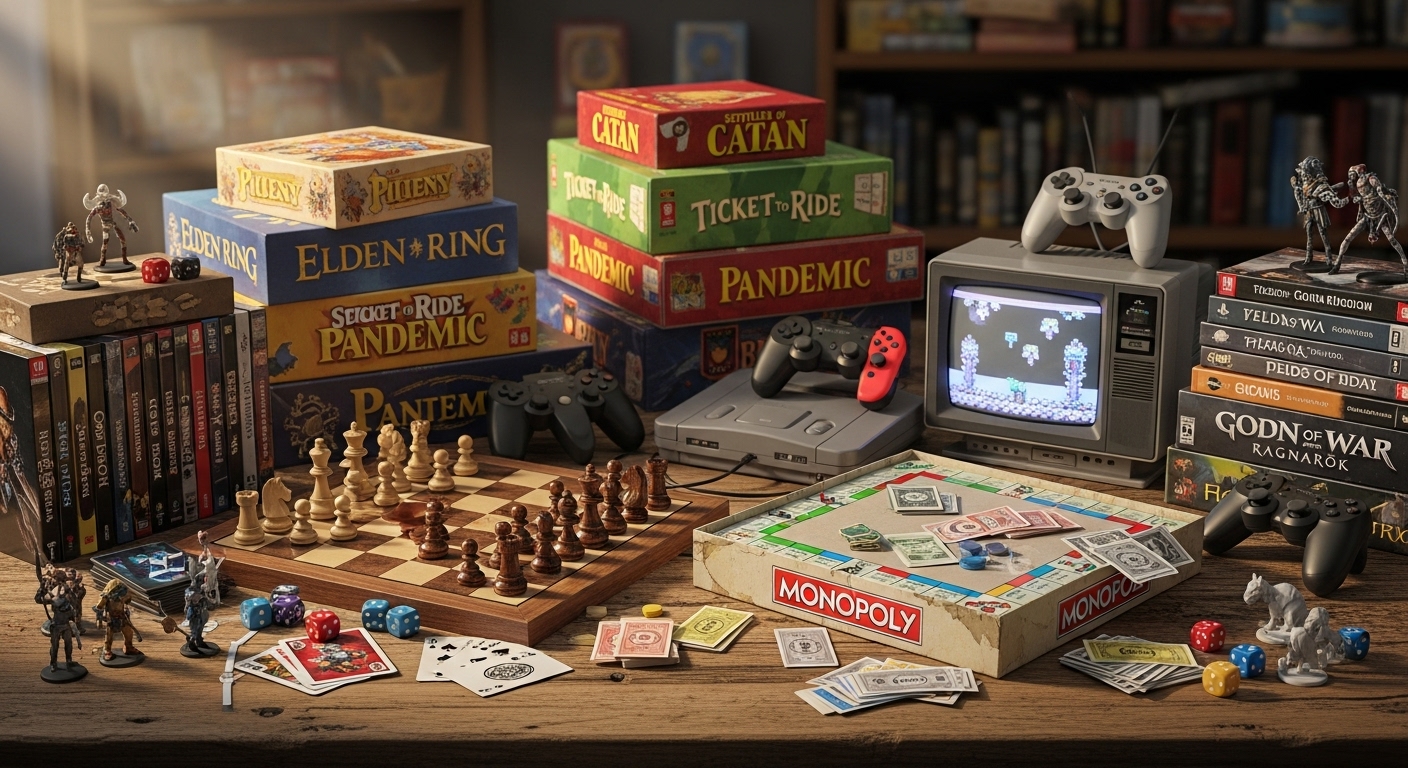
Video games have come a long way since their inception, evolving from simple, pixelated screens to immersive, multi-dimensional worlds that captivate millions of players worldwide. Today, gaming is not just a hobby but an industry worth billions of dollars. It has become a fundamental part of our culture, influencing everything from technology and art to social interactions and even education. The gaming world is vast, diverse, and ever-changing, offering something for everyone, from casual gamers to competitive esports athletes.
In this blog post, we will explore the evolution of video games, the various genres that have defined the gaming landscape, and the impact games have had on society and technology. We will also look at what the future holds for gaming, including emerging technologies like virtual reality (VR), artificial intelligence (AI), and cloud gaming. Whether you’re a lifelong gamer or someone just beginning to explore the world of gaming, this journey through the history, culture, and future of video games will offer valuable insights.
The Humble Beginnings: How Gaming Started
The story of video games begins in the mid-20th century, long before modern consoles, high-definition graphics, and open-world experiences. The first ever video game was developed in 1958 by William Higinbotham, a physicist at the Brookhaven National Laboratory. The game was called Tennis for Two, a simple two-player tennis simulation displayed on an oscilloscope. While it was rudimentary by today’s standards, it laid the foundation for interactive entertainment.
In 1972, Atari released Pong, one of the first commercially successful arcade games. Pong was a simple game where two players used paddles to hit a ball back and forth on a screen, simulating table tennis. The game’s success marked the beginning of the video game industry, and arcades quickly became popular spots for entertainment. The 1970s and early 1980s were the golden age of arcade gaming, with games like Space Invaders (1978), Pac-Man (1980), and Donkey Kong (1981) capturing the imagination of millions and introducing people to the joy of interactive entertainment.
At the same time, home gaming consoles were being developed. In 1977, the Atari 2600 was released, allowing people to play games in their own homes. The console’s simplicity and affordability made gaming accessible to a wider audience, leading to a boom in the gaming market. This era marked the start of home entertainment as we know it, with the gaming console becoming a permanent fixture in living rooms worldwide.
The Rise of Home Consoles: 1980s to 1990s
The 1980s and 1990s are often referred to as the golden age of video games, with incredible advancements in technology and the introduction of iconic game titles that have remained influential to this day. The 1980s saw the rise of Nintendo, which would go on to become one of the most successful video game companies in history. In 1985, Nintendo released the Nintendo Entertainment System (NES), which was a game-changer for home consoles. The NES featured groundbreaking games like Super Mario Bros., The Legend of Zelda, and Metroid, all of which became cultural phenomena and helped cement Nintendo’s place in gaming history.
In the early 1990s, the gaming world took another leap forward with the introduction of 3D graphics. Prior to this, most games were limited to two-dimensional environments, but with the advent of the Sony PlayStation and the Nintendo 64, gamers were introduced to fully realized 3D worlds. The release of Super Mario 64 in 1996, for example, was one of the first games to showcase true 3D gameplay, allowing players to explore expansive environments and interact with the world in ways that were previously impossible. The game’s success marked the beginning of a new era in gaming, one where immersive, 3D environments became the norm.
The 1990s also saw the rise of personal computers as a platform for gaming. PC gaming, led by titles like Doom (1993) and Warcraft (1994), introduced players to first-person shooters (FPS) and real-time strategy (RTS) games. The popularity of games like Quake (1996) and StarCraft (1998) helped establish online multiplayer gaming as a mainstay of the gaming world. The ability to connect with other players across the globe was revolutionary, and this marked the beginning of online gaming communities that would shape the future of competitive gaming.
The 2000s: Online Gaming and the Emergence of Mobile Games
The 2000s were a transformative period for gaming. The introduction of broadband internet and the development of online multiplayer games allowed players to connect with each other on a scale never before seen. Games like Halo 2 (2004) and World of Warcraft (2004) became some of the most popular online games, attracting millions of players and establishing online multiplayer as a core component of the gaming experience.
Online gaming didn’t just change how people played; it also revolutionized the social aspect of gaming. The rise of gaming communities, particularly through platforms like Xbox Live and PlayStation Network, allowed players to interact with others, form teams or guilds, and even compete in tournaments. This shift from solitary play to cooperative and competitive multiplayer gaming has had a profound impact on gaming culture, with games like League of Legends (2009) and Counter-Strike (1999) helping to popularize esports, the professional competitive gaming scene.
In the mid-2000s, mobile gaming began to emerge as a major force in the industry. With the launch of the Apple iPhone in 2007 and the subsequent rise of the App Store, mobile gaming became more accessible than ever before. Games like Angry Birds (2009) and Candy Crush Saga (2012) reached millions of players, many of whom had never played video games before. The simplicity and accessibility of mobile games made them incredibly popular, and mobile gaming quickly became a dominant form of entertainment, with players able to enjoy games on the go, anywhere and anytime.
The 2010s: HD Graphics, Open Worlds, and the Indie Game Movement
The 2010s were defined by the rise of high-definition (HD) graphics, open-world games, and the indie game revolution. The power of gaming consoles like the PlayStation 4 and Xbox One, as well as gaming PCs, allowed developers to create stunningly detailed worlds with expansive environments and lifelike visuals. Games like The Witcher 3: Wild Hunt (2015), Grand Theft Auto V (2013), and Red Dead Redemption 2 (2018) offered massive, open worlds that players could explore at their own pace, creating experiences that were far more immersive than anything that came before.
One of the most significant trends of the 2010s was the rise of indie games. Independent developers, often working with smaller budgets and teams, began creating games that pushed the boundaries of storytelling, gameplay, and artistic expression. Titles like Minecraft (2011), Journey (2012), Undertale (2015), and Hollow Knight (2017) became critical darlings and commercial successes, proving that creativity and innovation could thrive even outside the big-budget studios. The success of indie games helped diversify the gaming landscape, with smaller studios exploring new genres, narrative structures, and art styles.
The 2010s also saw the emergence of virtual reality (VR) gaming. With the release of the Oculus Rift (2016) and PlayStation VR (2016), players were able to step into fully immersive, 360-degree environments, experiencing games in a way that was previously impossible. While VR gaming was still in its infancy, it promised to revolutionize the way we interact with digital worlds, and its potential for fully immersive storytelling and gameplay became a significant part of the conversation in the gaming industry.
Gaming’s Social Impact: Beyond Entertainment
Video games have had a profound impact on more than just entertainment—they have also influenced social interaction, education, and culture. Gaming communities have become vital social hubs where people from all over the world can come together to play, compete, and form friendships. Online multiplayer games, in particular, have blurred the lines between gaming and social media, as players communicate, strategize, and share experiences in real time.
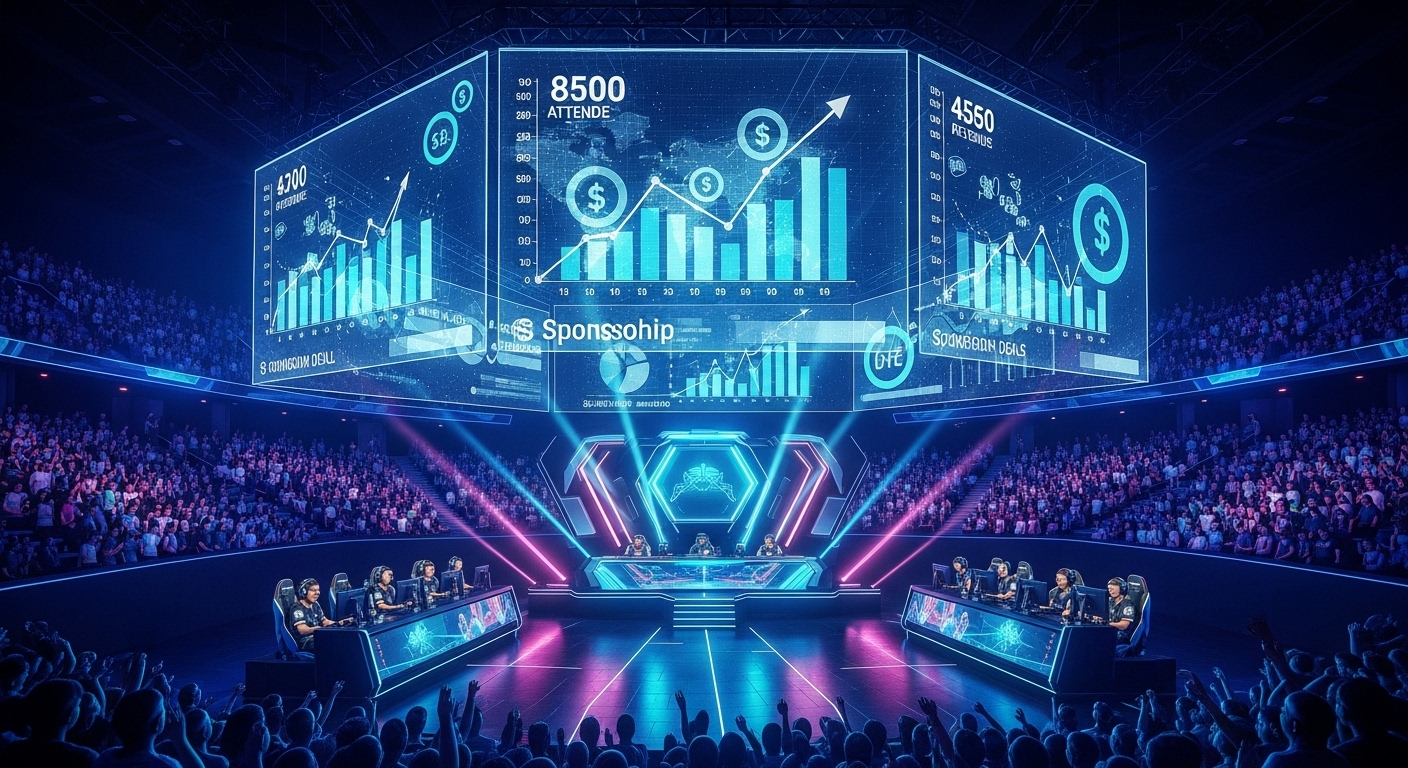
Esports, or competitive gaming, has grown exponentially in recent years, with tournaments offering millions of dollars in prize money and attracting global audiences. Games like League of Legends, Dota 2, and Fortnite have become mainstream, and esports organizations have emerged, offering players the opportunity to turn their passion for gaming into a professional career. Esports has also gained recognition as a legitimate form of competition, with major events being broadcast on platforms like Twitch and even airing on traditional sports networks.
Beyond entertainment and social interaction, gaming has also proven to be a valuable tool in education. Games like Minecraft Education Edition are used in classrooms to teach subjects like mathematics, history, and science. Games can promote critical thinking, problem-solving, and teamwork, making them an engaging and effective learning tool.
The Future of Gaming: Emerging Technologies and Trends
The future of gaming looks incredibly exciting, with new technologies promising to push the boundaries of what’s possible in the gaming world. Artificial intelligence (AI) is already being used in games to create more lifelike NPCs (non-playable characters) that can adapt and respond to players’ actions. In the future, AI could allow for even more dynamic worlds, where the game evolves based on player behavior and decisions.
Cloud gaming is another technology that’s set to change the landscape of gaming. With services like Google Stadia, Xbox Cloud Gaming, and NVIDIA GeForce Now, players can stream games directly to their devices without the need for expensive consoles or gaming PCs. As internet speeds improve and cloud gaming platforms become more stable, the ability to play high-end games without the need for specialized hardware will likely become the norm.
Virtual reality (VR) and augmented reality (AR) are expected to continue developing, offering players even more immersive and interactive gaming experiences. The ability to step into a virtual world and physically interact with it could revolutionize not only gaming but also other industries such as education, medicine, and architecture.
Conclusion: Gaming as a Cultural Force
From its early beginnings in arcades to the expansive virtual worlds of today, video games have become an integral part of modern culture. Whether you’re playing for fun, competition, or creative expression, gaming offers something for everyone. With the ongoing advancements in technology and the growing popularity of online and mobile games, the future of gaming is brighter than ever.
As gaming continues to evolve, it will remain a powerful force in entertainment, education, and social interaction. Whether you’re a hardcore gamer or a casual player, there has never been a better time to be part of the gaming world. The possibilities are endless, and the journey into the future of gaming promises to be an exciting one.