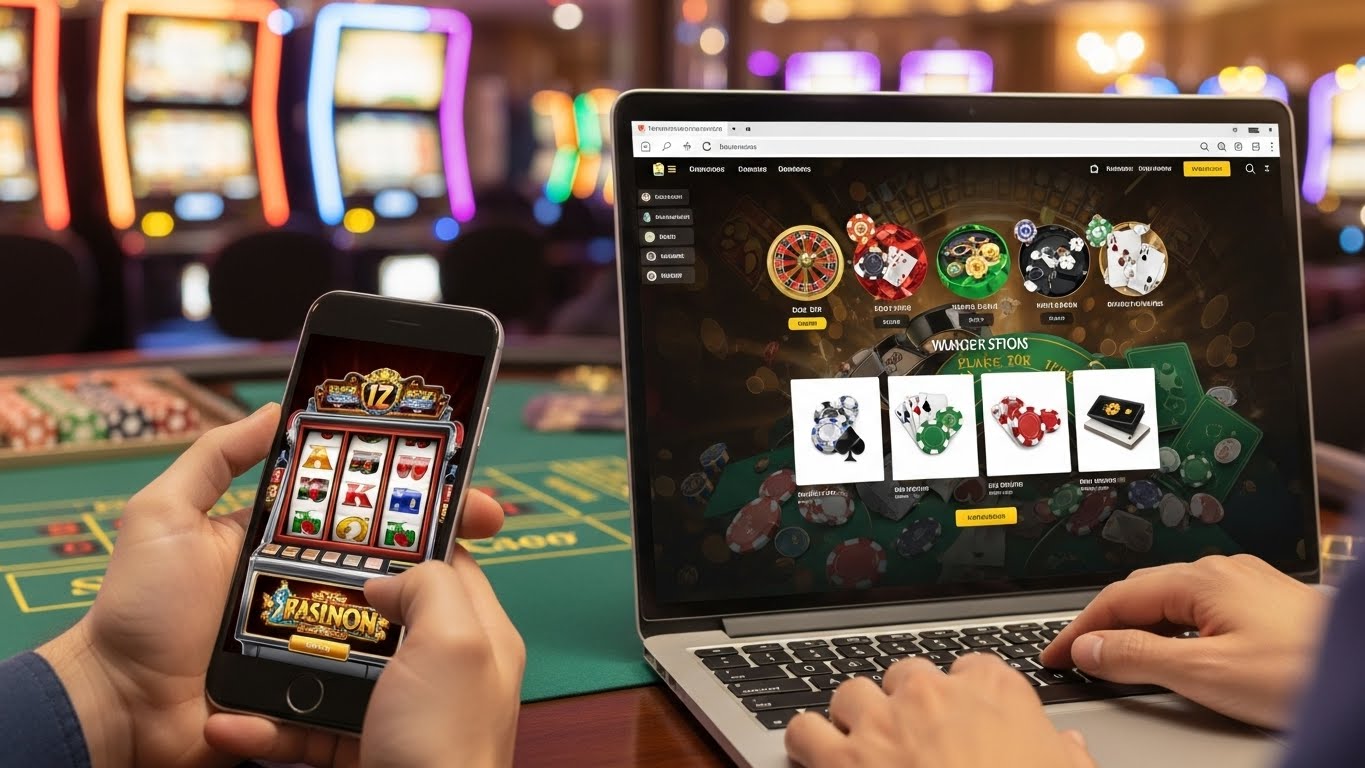

The world of gambling has undergone a significant transformation in the past few decades, shifting from traditional brick-and-mortar casinos to the expansive, dynamic world of iGaming. iGaming, which encompasses all forms of online gambling and betting, has become a multi-billion-dollar industry that combines technology, entertainment, and a bit of luck. From poker to online slots, sports betting to live dealer experiences, the digital landscape is constantly evolving to provide new ways for players to engage with their favorite games. In this post, we’ll explore the rise of iGaming, the current trends driving the industry, and what the future holds for this rapidly growing sector.
The Birth of iGaming: A New Era in Gambling
The roots of iGaming can be traced back to the mid-1990s when the internet first became widely available. The first online casinos appeared around 1994, but it wasn’t until the late 90s and early 2000s that the industry began to gain significant traction. The introduction of secure payment methods, improved software technology, and a growing interest in online gaming helped lay the foundation for what we know today as iGaming.
As the internet became more accessible and technology improved, traditional forms of gambling, like casino games, sports betting, and poker, found a new home online. In 1997, the first online poker room was launched, and by 2003, online gambling had become a mainstream industry. With the convenience of playing from home and the vast array of gaming options available at the click of a button, iGaming quickly gained popularity.
The ability to play anywhere, anytime, and on any device further accelerated the growth of online gambling. What started as a niche market for tech-savvy individuals quickly evolved into a global phenomenon, attracting players of all demographics.
The Expanding Universe of iGaming: Types of Games and Platforms
One of the key factors in the success of iGaming is the variety of games and platforms available to players. Whether you’re into traditional table games, modern video slots, or high-stakes sports betting, there’s something for everyone. Here’s a breakdown of some of the most popular categories within iGaming:
Online Casinos
Online casinos are the backbone of the iGaming industry, offering players digital versions of classic casino games such as blackjack, roulette, baccarat, and poker. These games are often powered by advanced software developers like Microgaming, NetEnt, and Playtech, which create visually stunning and highly interactive experiences. Live dealer games, where real dealers interact with players through live video streams, have also become a huge draw, offering the thrill of a real casino experience without leaving home.
Online Slots
One of the most popular segments within iGaming is online slot machines. Online slots are digital recreations of the traditional one-armed bandits you’d find in casinos, but with far more advanced graphics, animations, and bonus features. Many online slots are themed around movies, TV shows, or popular culture, making them incredibly engaging. Progressive jackpots, where the prize pool increases with every spin, have become a major attraction, with some slots offering payouts in the millions.
Sports Betting
Sports betting has long been a staple of traditional gambling, and iGaming has brought it into the digital age. Online sportsbooks allow users to place bets on virtually any sport, from football and basketball to horse racing, tennis, and esports. In-play betting, which allows players to place bets during a live event, has added a new level of excitement to sports betting, enabling punters to react to game developments in real time. With the rise of mobile apps, sports betting has become more accessible, allowing users to place bets on the go.
Poker and eSports Betting
Online poker has seen a massive increase in popularity, with major platforms hosting poker tournaments and offering cash games for players of all levels. Texas Hold’em, Omaha, and Stud Poker are some of the most popular variations, and players can compete against others from all over the world. Major tournaments like the World Series of Poker (WSOP) have been broadcast online, creating a global community of poker enthusiasts.
Simultaneously, esports betting has emerged as a rapidly growing niche within iGaming. With the rise of competitive gaming tournaments in titles like “League of Legends,” “Counter-Strike: Global Offensive,” and “Dota 2,” esports betting has brought a whole new demographic into the gambling world. Fans can now place bets on their favorite teams and players, with stakes and odds comparable to traditional sports.
iGaming Trends: What’s Shaping the Industry Today?
The iGaming industry is constantly evolving, with new trends emerging regularly. As technology improves and player preferences shift, operators are continuously adapting to stay ahead of the curve. Here are some of the biggest trends currently shaping the iGaming landscape:
Mobile Gaming
One of the most significant trends in iGaming is the shift toward mobile gaming. With more people using smartphones and tablets, iGaming operators have optimized their platforms to be mobile-friendly, allowing players to enjoy their favorite games on the go. Mobile apps and responsive websites ensure that games run smoothly, offering players a seamless experience across all devices. Mobile gaming has also driven the development of new features, such as push notifications for promotions and in-game events, keeping players engaged and informed.
Virtual Reality (VR) and Augmented Reality (AR)
Virtual reality (VR) and augmented reality (AR) are poised to take iGaming to new heights. VR allows players to fully immerse themselves in a virtual casino environment, where they can interact with games, dealers, and other players in a three-dimensional space. VR poker rooms and live dealer experiences are already available in some iGaming platforms, offering a more realistic and social gaming experience.
Augmented reality, on the other hand, overlays digital elements onto the real world. While still in its infancy, AR has the potential to revolutionize mobile gaming, allowing players to experience casino games or sports betting in ways never seen before.
Cryptocurrency and Blockchain
Cryptocurrencies like Bitcoin, Ethereum, and Litecoin are increasingly being used for online gambling. These digital currencies offer players enhanced security, anonymity, and faster transactions, which are highly appealing in the world of iGaming. Blockchain technology also enables provably fair gaming, where players can verify the fairness of games and payouts. This transparency is helping to build trust in online gambling platforms, making them more appealing to users.
Responsible Gambling and Regulation
With the rapid expansion of iGaming, there has been growing concern about the potential for gambling addiction and the need for strong regulatory frameworks. Many jurisdictions have implemented stricter rules and regulations to ensure that iGaming operators offer a safe and responsible environment for players. Responsible gambling tools, such as self-exclusion, deposit limits, and time-out options, are now standard features on many platforms.
Regulatory bodies in various countries are also working to ensure that iGaming operations are fair and transparent. Online casinos and betting sites must meet stringent licensing requirements to operate legally, and these regulations help protect players from fraudulent practices. The emphasis on regulation and responsible gambling is expected to continue as the industry matures.
The Future of iGaming: What Lies Ahead?
The future of iGaming is incredibly exciting, with advancements in technology and shifts in player behavior paving the way for new and innovative gaming experiences. Some of the key developments that will shape the future of the industry include:
Artificial Intelligence (AI)
AI is set to revolutionize iGaming by improving game mechanics, personalizing player experiences, and enhancing customer support. AI can help predict player behavior, offer tailored promotions, and detect fraudulent activities. Additionally, AI-powered chatbots are increasingly being used to provide instant support to players, ensuring that they receive assistance whenever they need it.
Gamification and Social Features
Gamification, the integration of game-like elements into non-game contexts, is gaining traction in iGaming. Operators are incorporating leaderboards, achievement systems, and social features to make the gambling experience more engaging and rewarding. Players can earn points, unlock rewards, and share their accomplishments with friends, creating a more interactive and enjoyable environment.
Integration with Other Entertainment Platforms
The lines between gambling and other forms of entertainment are becoming increasingly blurred. iGaming platforms are starting to integrate with social media, streaming services, and other entertainment platforms, allowing players to enjoy a more immersive and holistic experience. For example, watching live-streamed esports tournaments or following your favorite poker player could soon be paired with real-time betting opportunities.
Conclusion: iGaming’s Unstoppable Growth
iGaming has come a long way from its early days, and there’s no sign of its growth slowing down. With technological innovations, mobile platforms, and an increasing focus on player safety and regulation, iGaming is more exciting and accessible than ever before. Whether you’re a fan of classic casino games, poker, sports betting, or esports, the world of iGaming offers something for everyone.
As the industry continues to evolve, iGaming will undoubtedly remain at the forefront of digital entertainment, blending cutting-edge technology with the timeless appeal of gambling. So, whether you’re a seasoned player or a newcomer, there’s never been a better time to explore the thrilling world of iGaming.