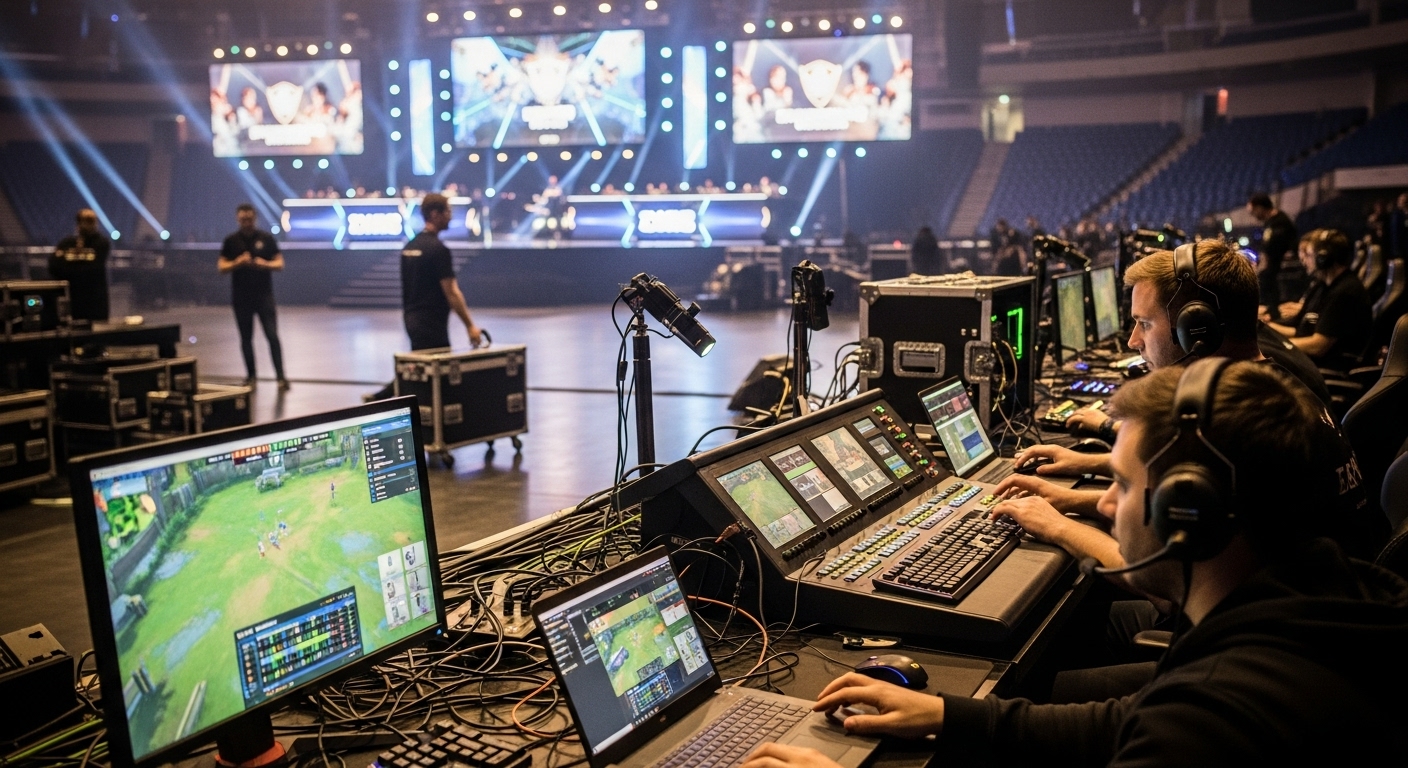

Esports has transformed from a niche hobby into a billion-dollar global industry, and one of its most significant components is live events. Whether it’s the League of Legends World Championship, The International for Dota 2, or regional competitions like ESL One, these events draw millions of fans both in-person and online. But behind the flashing lights, roaring crowds, and million-dollar prize pools lies a complex web of economics. Hosting an esports event is not just about entertainment—it’s a business that involves heavy investments, calculated risks, and strategic planning.
In this blog, we’ll explore the economics of hosting an esports event in detail. We’ll examine costs, revenue streams, sponsorships, logistics, challenges, and future trends. By the end, you’ll understand why hosting such events can be both a lucrative opportunity and a financial gamble.
1. Understanding the Scale of Esports Events
Esports events come in various forms, ranging from small local tournaments to massive international competitions that fill entire stadiums. The economics behind each scale differs:
- Local/Amateur Events: Often organized by community groups or small companies, with limited budgets, smaller audiences, and minimal prize pools.
- Regional Events: Mid-tier tournaments that attract professional teams from a specific region, often supported by sponsors and streaming platforms.
- International Championships: Multi-million-dollar spectacles like the Fortnite World Cup or The International, involving huge production budgets, global marketing, and enormous prize pools.
The bigger the event, the more complex the financial considerations. While local events may operate with volunteer staff and minimal sponsorship, international tournaments require significant corporate investment and months of preparation.
2. The Cost Structure of Hosting an Esports Event
Let’s break down the major expenses involved:
a) Venue Costs
Stadiums, arenas, and convention centers are the main venues for large esports tournaments. Renting such spaces can cost anywhere from $100,000 to several million dollars, depending on location, duration, and capacity.
Factors include:
- Seating capacity
- Location (big cities cost more)
- In-house services (lighting, catering, security)
- Duration of the event (multi-day tournaments add costs)
b) Production Costs
Esports events are as much about showmanship as competition. This includes:
- Stage design and construction
- Lighting and sound systems
- LED screens and broadcasting equipment
- Camera crews and live-streaming setups
Production costs can rival those of traditional concerts or sporting events, often running into the millions for large-scale tournaments.
c) Staffing
An event requires:
- Event organizers and managers
- Broadcast talent (casters, analysts, hosts)
- Technical staff (IT, sound engineers, video producers)
- Security personnel
- Hospitality and support staff
Depending on the size, staffing alone can cost hundreds of thousands of dollars.
d) Player and Team Costs
Organizers often cover:
- Travel expenses
- Accommodation
- Appearance fees (for star players or teams)
- Prize pool funding
Prize pools can range from a few thousand dollars for smaller tournaments to tens of millions (like Dota 2’s The International).
e) Marketing and Promotion
Without proper marketing, even the best event can flop. Budgets are allocated for:
- Social media campaigns
- Influencer partnerships
- Traditional advertising (TV, billboards, digital ads)
- Community engagement initiatives
f) Technology Infrastructure
Esports is technology-driven, so reliable internet and high-performance hardware are essential. Costs include:
- High-speed internet setups
- Gaming PCs or consoles
- Backup systems for redundancy
- Server maintenance
g) Miscellaneous Expenses
Other costs can include:
- Insurance
- Licenses and permits
- Hospitality (VIP lounges, catering)
- Merchandise production
Estimated Example for a Large-Scale Event:
- Venue rental: $2 million
- Production: $5 million
- Staffing: $1.5 million
- Player/travel/prize pool: $30 million (for big events like TI)
- Marketing: $3 million
- Tech infrastructure: $1 million
- Miscellaneous: $500,000
Total: Roughly $43 million+ for a top-tier global esports event.
3. Revenue Streams of Esports Events
While expenses are high, the revenue opportunities are equally significant.
a) Ticket Sales
Live audiences are a huge part of revenue. Stadium events often sell out within hours. Ticket prices can range from $20 to $200+, depending on seating and perks. For example, a 20,000-seat arena with tickets averaging $100 could generate $2 million in ticket sales alone.
b) Sponsorships and Partnerships
Sponsorship is the backbone of esports economics. Companies pay millions to associate their brands with popular tournaments. Sponsors may include:
- Hardware and software companies (Intel, NVIDIA, Razer)
- Beverage brands (Red Bull, Monster, Coca-Cola)
- Financial institutions and crypto companies
- Telecom and internet providers
For large tournaments, sponsorships can account for 40–60% of total revenue.
c) Broadcasting and Streaming Rights
Platforms like Twitch, YouTube Gaming, and regional broadcasters often pay for exclusive rights to stream or cover tournaments. This is becoming an increasingly lucrative revenue source, with some deals worth tens of millions.
d) Merchandising
Event-specific merchandise such as jerseys, hoodies, mousepads, and collectibles provide an additional revenue stream. Exclusive “limited edition” items drive fan engagement and sales.
e) In-Game Monetization
Many game publishers link in-game purchases to esports events. Examples include:
- Dota 2’s Compendium, which funds prize pools.
- League of Legends event skins and cosmetics.
This not only boosts revenue but also engages fans who can’t attend in person.
f) Concessions and Hospitality
Food, drinks, VIP lounges, and hospitality packages provide significant on-site revenue.
g) Government and Tourism Support
In some regions, governments support esports events as part of their tourism strategy. Cities may offer subsidies or tax breaks, hoping to attract international visitors.
4. Economic Impact on Host Cities
Hosting a major esports event is not just profitable for organizers—it boosts the local economy as well.
- Tourism: Fans travel internationally, booking flights, hotels, and restaurants.
- Job Creation: Temporary employment opportunities arise for local staff and service providers.
- Branding: Cities gain global visibility, similar to hosting traditional sporting events like the Olympics or FIFA World Cup.
For example, the Intel Extreme Masters (IEM) Katowice in Poland has become a staple event, contributing millions annually to the local economy.
5. Challenges in Hosting Esports Events
While the potential is huge, hosting esports events comes with risks:
a) High Upfront Costs
The initial investment is massive, and without guaranteed ticket sales or sponsor deals, financial risk is significant.
b) Uncertain Profit Margins
Unlike traditional sports, esports is still evolving, and audience sizes can fluctuate dramatically depending on the game’s popularity.
c) Technical Issues
Server crashes, internet outages, or equipment failures can ruin the event and damage reputation.
d) Regulatory and Legal Issues
Some countries lack clear regulations for esports, which can cause issues with visas, gambling laws, or broadcasting rights.
e) Competition Between Titles
Unlike traditional sports, where football or basketball dominate, esports has multiple popular titles. Organizers must decide which game to feature, and popularity can shift quickly.
f) Sustainability
Large events have a massive carbon footprint. The industry is now facing pressure to adopt greener practices.
6. Case Studies
The International (Dota 2)
- Prize pool: Over $40 million (funded largely by in-game purchases).
- Venue: Massive arenas like Mercedes-Benz Arena in Shanghai.
- Revenue: Primarily from ticket sales, sponsorships, and in-game monetization.
League of Legends World Championship
- Attracts millions of online viewers and sells out arenas globally.
- Riot Games invests heavily in production and marketing.
- Known for record-breaking viewership, with finals often surpassing traditional sports ratings.
Fortnite World Cup (2019)
- Prize pool: $30 million.
- Held in New York’s Arthur Ashe Stadium.
- Huge media coverage and sponsorships.
These examples highlight the scale and potential profitability but also the massive investments required.
7. Future of Esports Event Economics
As esports grows, so will the economics of event hosting. Some trends to watch:
- Hybrid Events: Blending live and online audiences for global reach.
- Metaverse and Virtual Arenas: Future events may take place in digital spaces, reducing venue costs while expanding participation.
- Increased Government Involvement: More cities may bid for hosting rights, similar to Olympic bids.
- Sustainability Initiatives: Green energy and eco-friendly practices will become more important.
- Corporate Consolidation: Larger companies may dominate the event-hosting space, pushing out smaller organizers.
8. Conclusion
The economics of hosting an esports event is a balancing act between risk and reward. Costs are undeniably high, but the revenue opportunities—through sponsorships, ticket sales, broadcasting rights, and in-game monetization—are equally significant. Beyond direct profits, these events contribute to city economies, promote tourism, and elevate esports as a legitimate global industry.
For organizers, success depends on careful planning, strong partnerships, and adaptability to changing market trends. For cities and governments, supporting esports events can bring economic and cultural benefits. And for fans, these events represent not just competitions, but celebrations of a rapidly evolving digital culture.