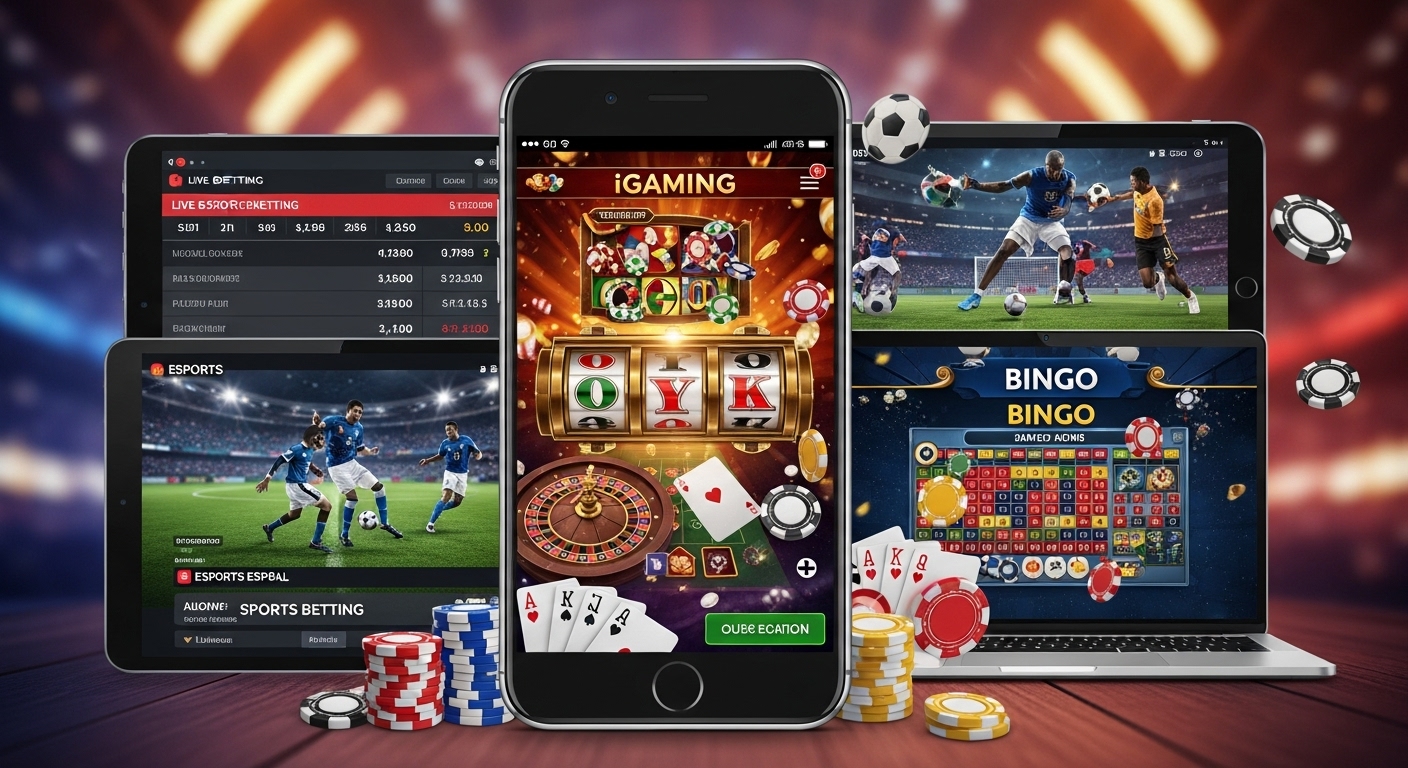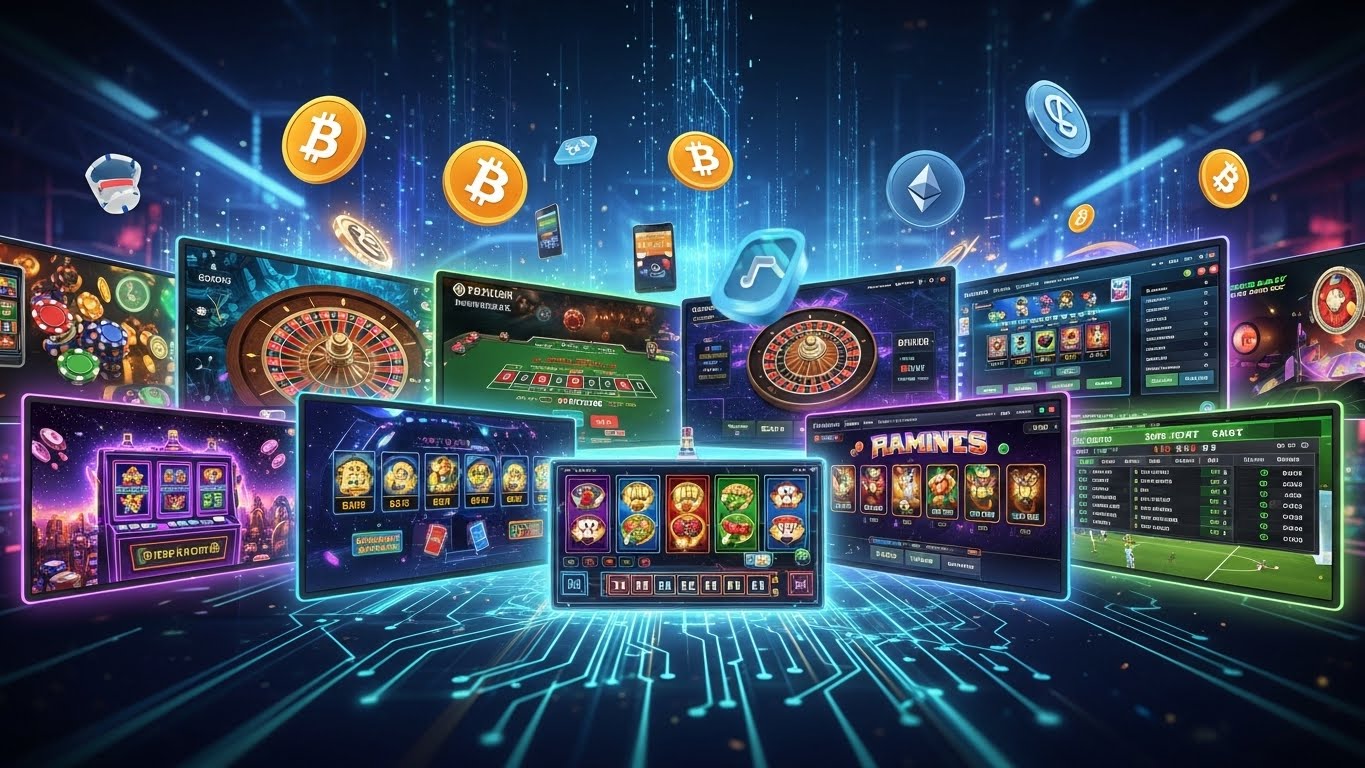

Over the past few decades, the online gambling industry, commonly known as iGaming, has rapidly transformed into a global phenomenon. From the early days of rudimentary online casinos to today’s sophisticated platforms offering live dealers, virtual sports, and esports betting, iGaming has become an industry worth billions of dollars. This post delves into the rise of iGaming, the technologies that fuel it, the regulatory landscape, and its future potential.
What is iGaming?
iGaming, a term used to describe the industry of online gambling, includes a variety of digital activities such as online casino games, sports betting, poker, and newer forms like esports betting and virtual sports. Essentially, iGaming is the virtual counterpart of traditional gambling found in physical casinos or sportsbooks, but with the advantage of accessibility from any device with an internet connection.
The iGaming market has grown exponentially in the last two decades. What was once a niche activity for enthusiasts has now become a mainstream global industry, driven by the advancement of internet technology, mobile gaming, and a growing interest in digital entertainment.
The Early Days: The Birth of Online Gambling
The roots of iGaming can be traced back to the mid-1990s, when the internet began to be used as a platform for gambling. The first online casino was launched in 1994, following the passage of the Free Trade & Processing Act in Antigua and Barbuda, which allowed the establishment of online gaming operations. This legal move laid the foundation for the development of the digital gambling industry.
As the internet became more accessible to the general public, more online casinos began to emerge. Early platforms offered limited choices for players, often consisting of simple card games like blackjack and poker. Despite these limitations, the potential of online gambling quickly became apparent, and it didn’t take long for operators to expand their offerings.
By the late 1990s and early 2000s, online casinos started offering a broader variety of games, including slots, roulette, and even live poker rooms. Players from around the world could now access gambling opportunities from the comfort of their homes, with the added benefit of anonymity and convenience. This period marked the first major expansion of the iGaming industry.
The Rise of Sports Betting and Virtual Sports
While online casinos were the early pioneers of iGaming, sports betting has grown to become a significant part of the industry. In the early 2000s, as more jurisdictions began to regulate and license online gambling, the opportunity to place bets on major sports events digitally became a key component of the iGaming ecosystem.
Sports betting involves predicting the outcome of sports events and wagering money on those predictions. With the advent of online sportsbooks, gamblers could place bets on a range of sporting events, from traditional games like soccer, basketball, and football to less mainstream sports such as cricket or rugby. As internet speeds improved, live betting became a major development, allowing players to place bets during the course of a match, race, or game.
In recent years, the popularity of virtual sports has also grown. These digital simulations of traditional sports allow players to place bets on virtual events that are powered by sophisticated algorithms. Virtual sports are available 24/7 and offer an alternative to traditional sports betting, especially for regions where live sports might not be accessible.
The Emergence of Live Dealer Games
One of the major innovations in the iGaming sector has been the development of live dealer games. These games allow players to engage in real-time gambling with live human dealers, bridging the gap between online and brick-and-mortar casinos. Live dealer casinos became popular in the mid-2000s, and their appeal has only grown since then.
The live dealer experience uses video streaming technology to broadcast real dealers and croupiers from real casino studios to players’ devices. Through this interface, players can interact with the dealer and other players in real-time, making the experience more authentic and interactive. Games like blackjack, roulette, and baccarat are the most common live dealer games, but new innovations in live game formats continue to emerge, such as live poker and live game shows.
The appeal of live dealer games lies in the authentic casino experience they offer without players needing to leave their homes. The ability to chat with the dealer, see the game unfold live, and interact with other players brings a social element to online gambling that traditional RNG (random number generator) games lack.
The Technology Behind iGaming
A significant part of the success of iGaming can be attributed to the rapid evolution of technology. Several key technologies power the modern iGaming ecosystem, providing both a seamless player experience and fair gameplay.
- Random Number Generators (RNGs): RNGs are the backbone of most online casino games, ensuring that the outcome of each game is entirely random. This technology ensures fairness in games like slots, roulette, and video poker, allowing players to trust that their results aren’t manipulated.
- Live Streaming: The live dealer experience would not be possible without high-quality video streaming technology. Live casinos rely on advanced video cameras, sound systems, and server infrastructure to stream real-time gameplay to players, often with multiple camera angles to capture the action.
- Mobile Technology: The iGaming industry has witnessed an explosion of mobile users. Today, most online casinos, sportsbooks, and poker rooms have mobile-friendly platforms or dedicated apps. Mobile technology allows players to gamble anywhere, anytime, enhancing the convenience and accessibility of iGaming.
- Blockchain and Cryptocurrencies: The introduction of blockchain technology and cryptocurrencies like Bitcoin has brought new dimensions to iGaming. Blockchain enhances transparency by allowing players to track their wagers and winnings securely. Cryptocurrencies provide an anonymous, fast, and secure method of payment, which has gained popularity among iGamers.
- Artificial Intelligence (AI) and Machine Learning: AI is starting to be used for several purposes in iGaming, such as personalized experiences, automated customer support, and fraud detection. AI-driven recommendations are enhancing player engagement by suggesting games that align with a player’s preferences and behaviors.
The Regulatory Landscape of iGaming
With the explosive growth of iGaming, governments and regulatory bodies around the world have faced the challenge of ensuring fair play, consumer protection, and preventing illegal gambling. The regulatory framework for iGaming varies significantly between countries and regions, with some jurisdictions embracing online gambling and others imposing strict restrictions or outright bans.
Countries like the UK, Malta, and Gibraltar have long been considered iGaming hubs, with comprehensive regulatory frameworks that ensure player protection, fair gaming, and responsible gambling. These jurisdictions often require operators to obtain licenses to operate legally within their borders, ensuring that operators meet specific standards regarding game fairness, data protection, and anti-money laundering measures.
However, many regions still struggle to regulate the online gambling industry, leading to issues like unlicensed gambling sites and underage gambling. In the United States, for instance, the legality of online gambling varies by state, with some states embracing sports betting, while others continue to ban all forms of online gambling.
The Future of iGaming
As technology continues to evolve, the future of iGaming looks even more promising. Key trends that are expected to shape the industry include:
- Augmented Reality (AR) and Virtual Reality (VR): Both AR and VR are poised to revolutionize the iGaming experience. Imagine stepping into a virtual casino and playing with real players in a 3D environment. These technologies will blur the lines between physical and digital casinos, creating an even more immersive experience.
- Esports Betting: Esports, or competitive video gaming, has grown exponentially over the past decade, and its integration with iGaming platforms is rapidly increasing. Esports betting allows players to wager on competitive gaming events, adding a new layer to the betting experience.
- Increased Focus on Responsible Gambling: As the industry grows, there is a greater emphasis on responsible gambling. Platforms are incorporating tools that allow players to set limits on their wagers, take breaks, or self-exclude if needed. Additionally, better educational resources about problem gambling are being provided to keep the experience safe and enjoyable.
- Cross-platform Integration: As iGaming moves forward, more operators will offer cross-platform experiences, enabling players to enjoy games seamlessly across desktop, mobile, and VR platforms. This integration will ensure that players can access their favorite games from any device with an internet connection.
Conclusion: A Thriving Industry with Limitless Potential
iGaming has come a long way from its humble beginnings in the 1990s. Today, it is a booming global industry that continues to innovate and evolve. Thanks to advancements in technology, a growing interest in digital entertainment, and the emergence of new gambling formats, iGaming is positioned to remain a dominant force in the world of online entertainment.
As the industry faces challenges such as regulation, responsible gambling, and competition, its continued growth will depend on how effectively these challenges are addressed. However, with the integration of new technologies and a focus on providing secure, immersive, and fair experiences, the future of iGaming looks brighter than ever. The digital world of gambling is here to stay, and it’s only going to get bigger and more exciting.