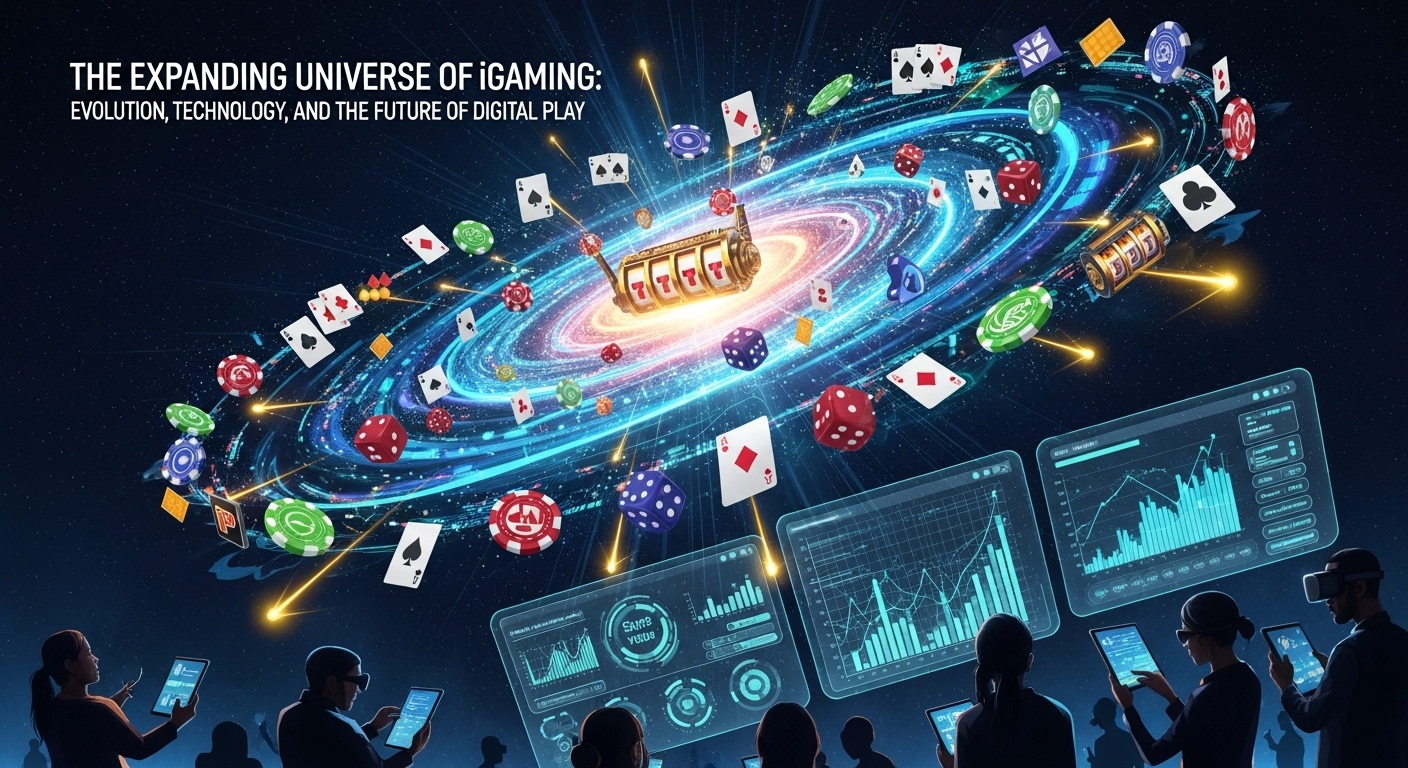
In the ever-evolving world of entertainment, one sector has been making waves in recent years: iGaming. Whether it’s placing a bet on your favorite sports team, trying your luck at an online casino, or engaging in a competitive esports tournament, iGaming has quickly become a dominant force in digital entertainment. This blog post aims to explore the fascinating world of iGaming, its growth, the technology behind it, and its future potential.
Understanding iGaming
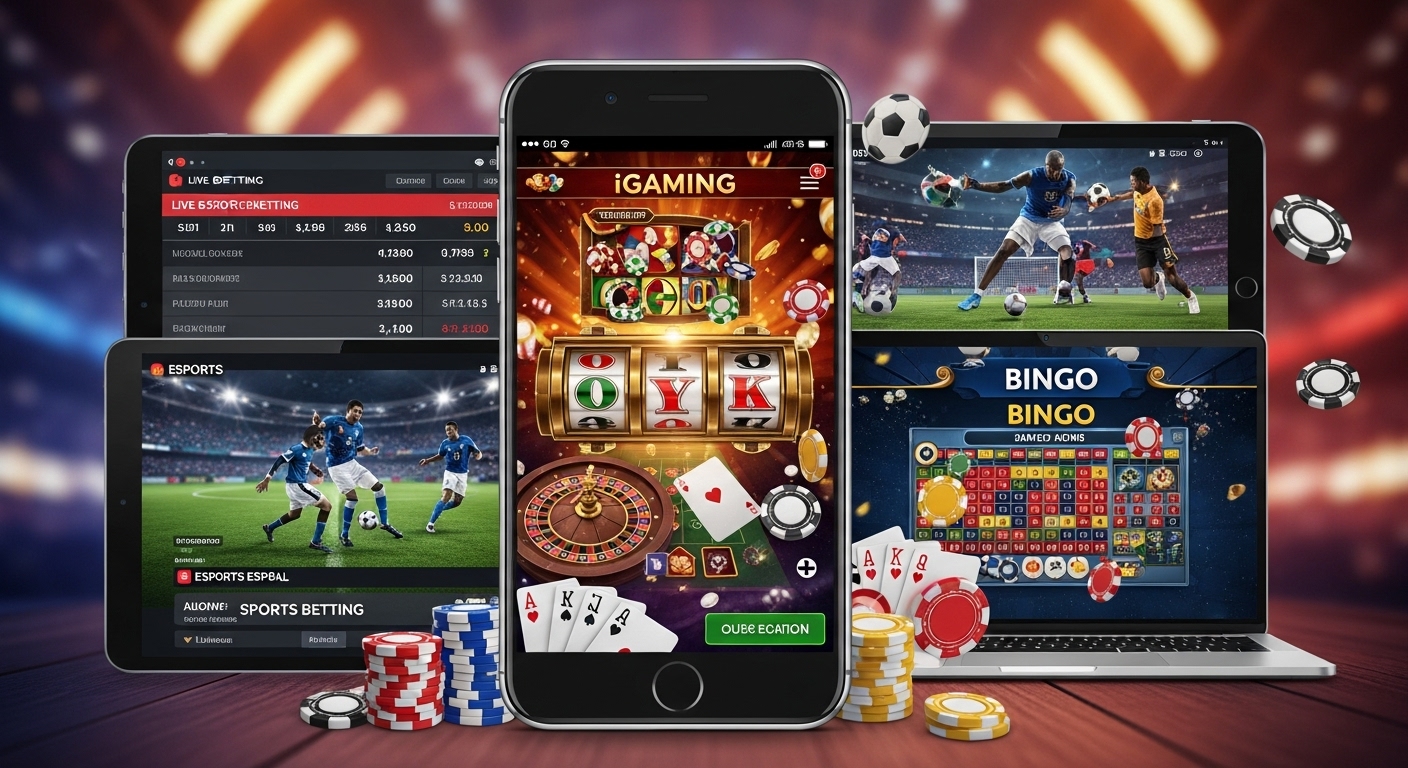
At its most basic, iGaming refers to gambling activities that are conducted over the internet. These activities can range from virtual casino games, such as slots, poker, and blackjack, to sports betting, esports wagering, and even lotteries. The beauty of iGaming lies in its accessibility—players from all corners of the globe can now engage in gambling and gaming activities without the need to visit a physical casino or sportsbook.
One of the most compelling features of iGaming is the level of convenience it offers. Players can enjoy their favorite games from the comfort of their homes, or on the go via their smartphones or tablets. With just a few clicks, you can place a bet, spin a slot machine, or compete in a poker tournament, all while sitting in your living room or waiting for a bus.
The Evolution of iGaming
While iGaming has only recently exploded in popularity, its roots can be traced back to the 1990s. In 1994, Antigua and Barbuda passed the Free Trade & Processing Act, which allowed licenses to be granted to companies offering online gambling services. Soon after, the first online casino was launched, followed by the introduction of online poker and sports betting platforms.
Over the years, as the internet became faster and more reliable, the technology behind iGaming also improved. High-quality graphics, more complex game mechanics, and enhanced security measures became the norm, which helped fuel the growth of online casinos and betting platforms. By the 2000s, iGaming was no longer a niche market; it had become a mainstream form of entertainment, attracting millions of players worldwide.
Key Segments of iGaming
iGaming encompasses a wide variety of gambling activities. Let’s take a look at some of the most popular segments within this dynamic industry.
Online Casinos
Online casinos are perhaps the most well-known aspect of iGaming. These platforms replicate the experience of playing traditional casino games, such as blackjack, roulette, baccarat, and poker, in a digital environment. Players can access a wide array of games, each with varying stakes and rules. Many online casinos also offer live dealer games, where players can interact with real human dealers through video streaming, adding a more personal touch to the experience.
Sports Betting
Sports betting has long been a major component of the gambling world, and with the rise of iGaming, it has transitioned seamlessly into the online space. Players can now bet on a variety of sports—from football and basketball to more niche events like darts or esports tournaments. The global nature of the internet has allowed sportsbooks to offer odds on a vast array of international sporting events, further enhancing their appeal to a global audience.
Esports Betting
Esports, or competitive video gaming, has exploded in popularity over the past decade. With professional players, massive tournaments, and large fanbases, it was only a matter of time before esports betting took off. iGaming platforms now allow players to place bets on various esports titles such as League of Legends, Dota 2, Counter-Strike: Global Offensive, and Overwatch. Esports betting has proven particularly attractive to younger audiences who are more familiar with gaming than traditional sports.
Fantasy Sports
Fantasy sports are another popular segment within the iGaming space. Players create their own teams composed of real-life athletes, and their success is based on the athletes’ performances in real-world games. Platforms such as daily fantasy sports sites allow users to enter contests and win cash prizes based on their fantasy team’s performance. Fantasy sports have become a major part of iGaming, particularly in North America.
The Role of Technology in iGaming
Technology has been the backbone of iGaming’s growth. From the early days of simple online games to today’s immersive and interactive platforms, advancements in technology have played a crucial role in shaping the industry.
Mobile Gaming
The rise of smartphones has revolutionized the iGaming sector. Mobile gaming now accounts for a significant portion of online gambling activity, as players can access games, place bets, and track results on the go. Many iGaming platforms offer mobile-optimized websites and dedicated apps, ensuring that users can have a seamless experience regardless of their device.
Virtual Reality (VR) and Augmented Reality (AR)
One of the most exciting developments in iGaming is the integration of virtual reality (VR) and augmented reality (AR). These technologies are helping to create more immersive gambling experiences. For example, VR casinos allow players to walk around a virtual casino, interacting with other players and dealers, much like they would in a brick-and-mortar casino. As these technologies improve, we can expect iGaming to become even more interactive and realistic.
Blockchain and Cryptocurrencies
The rise of blockchain technology and cryptocurrencies like Bitcoin has also had an impact on iGaming. Many online platforms are beginning to accept cryptocurrency as a method of payment, offering players greater anonymity and security. Blockchain technology can also be used to ensure fairness in games, as it provides a transparent and immutable record of all transactions and outcomes.
The Global iGaming Market
The iGaming industry is truly global in nature, with players from all over the world participating in online gambling and gaming activities. While certain countries have strict regulations surrounding online gambling, many have embraced iGaming as a legitimate and growing industry. In fact, some countries have created favorable regulatory environments to attract iGaming operators, while also ensuring consumer protection and responsible gambling practices.
Europe and North America are the largest markets for iGaming, but the sector is also experiencing rapid growth in emerging markets like Asia and Latin America. As more regions legalize and regulate online gambling, the global market is expected to continue expanding in the coming years.
The Future of iGaming
The future of iGaming looks incredibly promising. As technology continues to evolve, new trends are expected to emerge, further reshaping the landscape of online gambling. Some of the key trends to watch include:
- Increased Regulation: As the iGaming market grows, governments will likely continue to implement stricter regulations to ensure fair play, prevent fraud, and protect consumers.
- Artificial Intelligence: AI is expected to play a larger role in iGaming, from personalized recommendations and marketing to enhanced fraud detection and game fairness.
- Cross-platform Integration: With the growth of mobile and VR gaming, future iGaming platforms will likely offer seamless integration across multiple devices, allowing players to switch between their phones, tablets, PCs, and VR headsets.
Conclusion
iGaming is no longer just a passing trend—it’s a thriving industry with massive potential. As technology continues to advance and the global regulatory landscape adapts, the iGaming sector will likely continue to grow and diversify. Whether you’re a casual player looking for entertainment or a seasoned bettor looking for a new challenge, the world of iGaming offers something for everyone. The digital frontier of online entertainment is here, and it’s just getting started.