
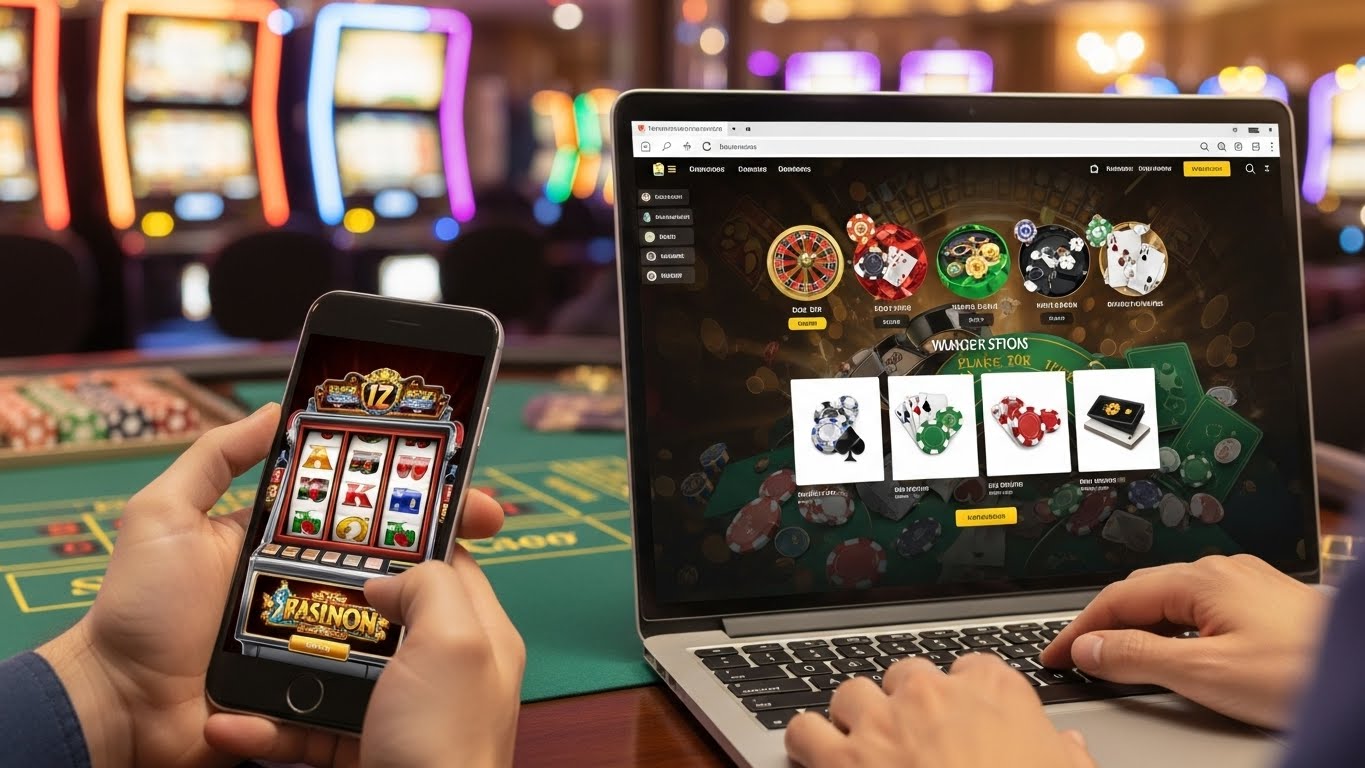
In the digital age, the world of entertainment has undergone a massive transformation, with one sector emerging as a dominant force—iGaming. This umbrella term refers to all forms of online gaming that involve betting or gambling, and it has quickly become one of the most lucrative and rapidly expanding industries in the world. From online casinos to virtual sports betting, esports, and everything in between, iGaming is reshaping how people interact with gaming, technology, and even sports. This blog post explores the explosive growth of iGaming, its key components, the technologies behind it, and what the future holds for this dynamic sector.
What is iGaming?
iGaming is a broad term that encompasses any type of gambling or betting conducted online. It includes a wide variety of gaming activities such as online casinos, sports betting, virtual poker, esports betting, and fantasy sports. Essentially, iGaming represents any form of gaming in which players can wager real money or prizes via the internet. Unlike traditional brick-and-mortar casinos or betting shops, iGaming offers the convenience of playing from home or on the go using smartphones, tablets, or computers.
The concept of online gambling isn’t new, but its growth over the last two decades has been nothing short of remarkable. With the rise of smartphones, mobile apps, and fast internet connectivity, iGaming has become a mainstream form of entertainment, attracting millions of players worldwide. It allows players to enjoy the thrill of traditional gambling and betting activities from virtually anywhere in the world.
The Global Impact of iGaming
The iGaming industry has witnessed exponential growth over the past few years, reaching new heights in both revenue and global reach. In 2020, the global market for iGaming was valued at approximately $60 billion, with projections indicating that it could surpass $100 billion in the coming years. This rapid expansion can be attributed to several key factors:
- Technological Advancements: The development of high-speed internet, mobile devices, and sophisticated gaming software has made online gambling easier and more accessible. This technology allows operators to offer immersive, real-time experiences to players.
- Mobile Gaming: With smartphones becoming ubiquitous, mobile gaming has revolutionized the iGaming sector. Players no longer need to sit at a desktop computer to play their favorite casino games or place a bet on sports; they can do it from anywhere, anytime.
- Legalization and Regulation: As more countries move toward the legalization and regulation of online gambling, the iGaming market has expanded into new regions. The United States, for example, has seen a surge in the legalization of sports betting following the 2018 Supreme Court ruling, and countries across Europe have long had well-established legal frameworks for online gambling.
- Changing Demographics: The iGaming audience has also become more diverse. While online gambling initially attracted mainly older players, younger generations have become more involved due to the increasing popularity of mobile gaming, esports, and social gambling.
With this growth, iGaming is poised to become one of the most influential sectors in the global entertainment landscape, surpassing traditional forms of media such as television and film.
Key Components of the iGaming Industry
iGaming is not a monolithic entity; rather, it comprises several distinct but interconnected sectors. Below, we’ll explore the most prominent components of iGaming, each of which contributes to the industry’s overall growth.
1. Online Casinos
Online casinos have long been a staple of the iGaming world. These virtual platforms offer a wide variety of traditional casino games such as slots, roulette, blackjack, baccarat, and poker. Online casinos use Random Number Generators (RNGs) to ensure fairness and randomness in their games, mimicking the unpredictable nature of land-based casino games.
In addition to classic casino games, many online casinos now offer live dealer options, where players can interact with real human dealers via a live video feed. This provides a more immersive and authentic casino experience for players who want to replicate the feel of being in a brick-and-mortar casino.
Bonuses and promotions are another key aspect of online casinos, with operators offering welcome bonuses, free spins, and loyalty rewards to attract new players and retain existing ones.
2. Sports Betting
Sports betting is one of the oldest and most popular forms of gambling, and it has transitioned seamlessly into the online world. Online sportsbooks allow users to bet on a wide variety of sports, from traditional games like football, basketball, and soccer to niche sports like e-sports and virtual sports.
The rise of mobile apps has made sports betting more accessible, allowing users to place bets on live events in real-time. In-play or live betting has become particularly popular, allowing players to wager on games as they unfold, with odds constantly updated during the event.
With the legalization of sports betting in several countries, particularly in the United States following the 2018 Supreme Court decision, sports betting has exploded in popularity. Many major sportsbooks now offer features such as cash-out options, parlay betting, and prop bets, providing a more dynamic and interactive experience for users.
3. Esports
Esports has become a global phenomenon in recent years, with millions of players and fans participating in competitive video gaming. Esports tournaments attract massive audiences, often surpassing traditional sports in terms of viewership, and the prizes can reach into the millions of dollars.
What sets esports apart from other forms of iGaming is its accessibility. Unlike traditional sports, which require physical prowess, esports only requires a high level of skill in video games. Popular games like League of Legends, Counter-Strike: Global Offensive, and Dota 2 have become household names, and professional players and teams have developed followings similar to traditional athletes.
Esports betting is another rapidly growing segment of the iGaming industry. Fans can place bets on esports tournaments, predicting outcomes of matches or betting on individual player performances. This has created an entirely new market within the iGaming world, attracting younger audiences who may not be as interested in traditional sports betting.
4. Virtual Poker
Poker is another staple of the online gaming world. Online poker rooms allow players to compete against one another in real-time, with options ranging from cash games to multi-table tournaments. Platforms like PokerStars, 888poker, and PartyPoker offer a wide variety of games, including Texas Hold’em, Omaha, and Seven-Card Stud.
One of the unique features of online poker is the opportunity to play against a global pool of players, which makes the games more competitive and exciting. Online poker rooms also offer a range of tournament formats, including sit-and-go tournaments, bounty tournaments, and special events with large prize pools.
Poker also benefits from the social aspect of online gaming, with many platforms incorporating chat functions, player rankings, and social features that make the experience more engaging.
5. Fantasy Sports
Fantasy sports is a form of gaming where players draft their own teams based on real-life athletes and earn points based on the performance of those athletes in actual games. Fantasy football is the most popular fantasy sport, but fantasy leagues exist for a wide variety of sports, including baseball, basketball, and even esports.
Fantasy sports platforms, such as DraftKings and FanDuel, allow users to compete for cash prizes or other rewards. Unlike traditional betting, where users place wagers on outcomes of events, fantasy sports involves a deeper level of strategy as players must assemble their teams and manage them throughout the season.
6. Skill-Based Gaming
Another emerging sector within the iGaming industry is skill-based gaming. These games combine traditional casino games with elements of skill and strategy. Examples include skill-based versions of slot machines, where players can control certain aspects of the game to influence the outcome, or arcade-style gambling games that require players to perform tasks or solve puzzles.
Skill-based gaming appeals to a younger demographic who may not be as attracted to traditional casino games, offering them a more interactive and engaging experience.
The Future of iGaming
The future of iGaming is incredibly promising. As technology continues to evolve, new trends and innovations are poised to shape the industry:
- Virtual Reality (VR) and Augmented Reality (AR): Virtual casinos and immersive gaming environments powered by VR and AR technology will revolutionize the way players interact with online gaming, creating a more engaging and lifelike experience.
- Blockchain and Cryptocurrency: Blockchain technology offers enhanced security and transparency for online gambling. Cryptocurrencies like Bitcoin are already being used in iGaming transactions, and their integration is expected to grow in the future.
- Artificial Intelligence (AI): AI will play an increasingly important role in iGaming by improving player experiences through personalized recommendations, fraud prevention, and more efficient customer support.
- Regulation and Legalization: As more countries move to legalize and regulate iGaming, the industry will become more secure, transparent, and sustainable, paving the way for continued growth.
Conclusion
iGaming has evolved into one of the most dynamic and rapidly growing sectors of the global entertainment industry. From online casinos and sports betting to esports and fantasy sports, the possibilities within the iGaming world are vast. With the advancement of technology, changing demographics, and increasing legalization, iGaming is poised to continue its explosive growth in the coming years. For players, the future promises more immersive, secure, and engaging experiences, ensuring that iGaming will remain a central part of the digital entertainment landscape.