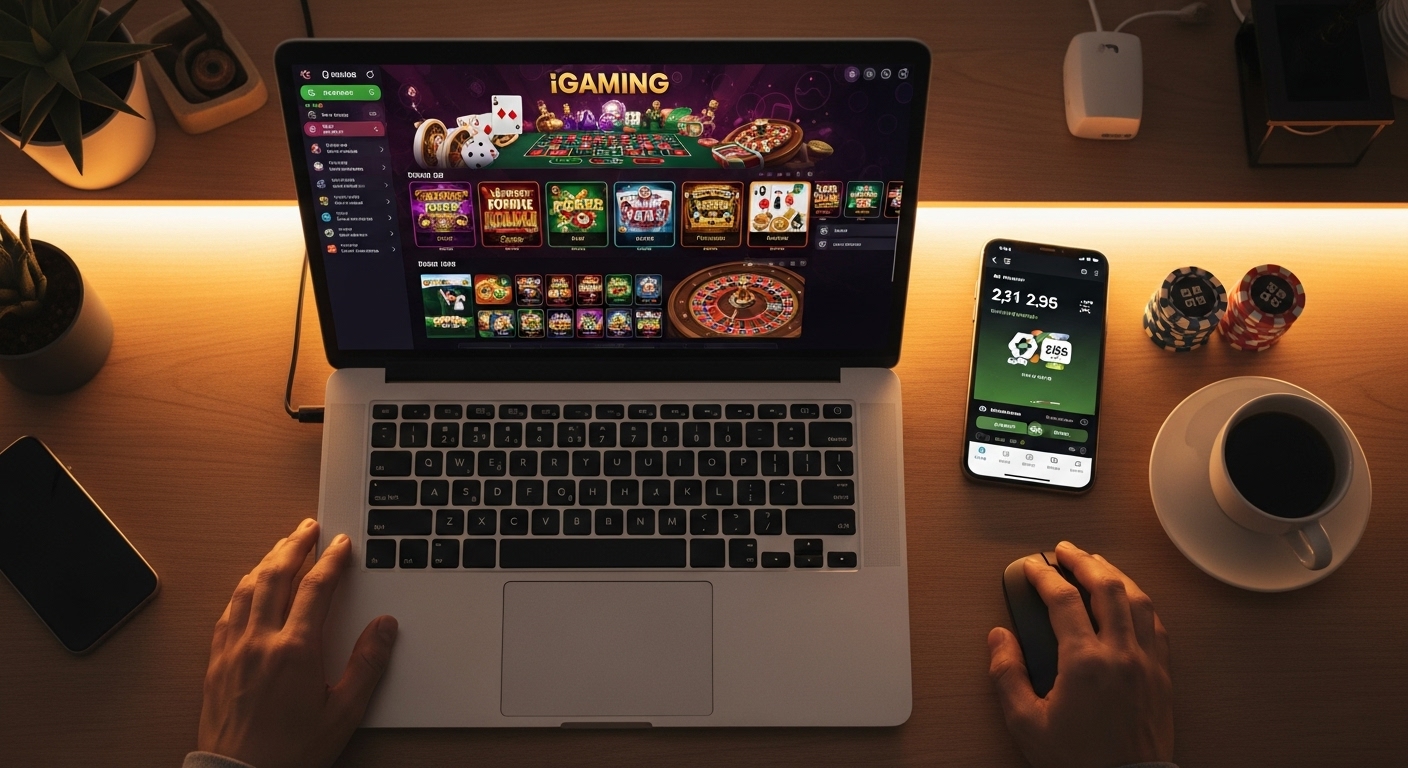

The world of gaming has evolved tremendously over the past few decades, and nowhere is this evolution more evident than in the iGaming industry. iGaming, or internet gaming, encompasses online casinos, sports betting, poker, and other gambling activities conducted via digital platforms. This transformation has not only made gambling more accessible but has also created an entirely new ecosystem for players, operators, and regulators alike.
Understanding iGaming
iGaming is essentially the convergence of technology and traditional gambling. Unlike physical casinos, which require a player to be present at a specific location, iGaming allows individuals to participate from anywhere, provided they have an internet connection. This accessibility has broadened the reach of gambling beyond its traditional audience, attracting millions of new players globally.
At its core, iGaming includes online casinos, online poker, sports betting, and lottery-style games. Online casinos feature virtual versions of classic casino games such as blackjack, roulette, slots, and baccarat. Online poker has grown into a competitive and highly social experience, with players participating in tournaments from the comfort of their homes. Sports betting, meanwhile, leverages real-time statistics and live updates to provide dynamic wagering opportunities.
Technological Innovations Driving iGaming
The growth of iGaming can largely be attributed to advancements in technology. High-speed internet, secure payment gateways, mobile applications, and sophisticated software have collectively enhanced the user experience. Mobile gaming, in particular, has revolutionized the industry by allowing players to access games anytime and anywhere.
Artificial intelligence (AI) and machine learning are also making a significant impact on iGaming. AI algorithms personalize the gaming experience, recommending games based on individual preferences and playing habits. Machine learning helps operators detect fraudulent activities and ensure fair play, which is critical for maintaining trust in online platforms.
Another major technological driver is live dealer technology. By streaming real-time games with human dealers, online casinos replicate the atmosphere of a physical casino. Players can interact with dealers and other participants, making the experience more immersive and engaging.
The Rise of Online Sports Betting
Sports betting has seen one of the most significant surges in the iGaming world. Football, basketball, cricket, and even esports have become popular platforms for online wagering. The appeal lies in the combination of entertainment and the potential for profit. Online sportsbooks provide detailed analytics, live updates, and multiple betting options, allowing players to make informed decisions.
Esports betting, a relatively new phenomenon, has also contributed to the expansion of iGaming. Competitive gaming tournaments now attract large audiences, and betting on outcomes has become a major part of the fan experience. The integration of real-time data analytics makes it possible for players to bet during matches, adding a dynamic layer of excitement.
Regulatory Landscape of iGaming
One of the most crucial aspects of the iGaming industry is regulation. Because gambling involves real money, governments worldwide have established strict guidelines to ensure player safety and fair practices. These regulations vary by country and sometimes even by region within a country.
Regulators focus on licensing, anti-money laundering measures, responsible gaming practices, and data protection. Licensed operators must adhere to rigorous standards, including regular audits and compliance checks. Responsible gaming initiatives often include tools like self-exclusion, deposit limits, and age verification to protect vulnerable players.
While regulations can sometimes slow down the expansion of iGaming in certain markets, they also create a safer environment for players and contribute to the industry’s long-term sustainability.
Economic Impact of iGaming
The iGaming industry has become a significant economic force, generating billions in revenue globally. Beyond direct revenue from players, the industry supports a wide range of jobs, from software developers and game designers to customer service representatives and marketing professionals.
Tax revenues from regulated iGaming platforms are substantial and often contribute to public services and infrastructure. Moreover, the industry stimulates innovation in related sectors such as fintech, cybersecurity, and digital marketing. The economic ripple effect of iGaming extends far beyond the gambling platforms themselves.
Social Implications of iGaming
As iGaming continues to grow, it brings both opportunities and challenges for society. On one hand, it provides entertainment, social interaction, and potential financial gains. On the other hand, the accessibility and convenience of online gambling can lead to problematic behaviors, including addiction and financial difficulties.
To address these concerns, many iGaming platforms incorporate responsible gaming tools. Education about gambling risks, monitoring of player behavior, and intervention strategies are increasingly common. By promoting awareness and responsible use, the industry aims to balance enjoyment with safety.
Future Trends in iGaming
Looking ahead, several trends are poised to shape the iGaming landscape. Virtual reality (VR) and augmented reality (AR) are set to transform the gaming experience further. VR casinos will allow players to immerse themselves fully in a digital environment, while AR can blend real-world settings with gaming elements for unique interactive experiences.
Cryptocurrency is another emerging trend, offering decentralized payment options and enhancing privacy. Some iGaming platforms now accept Bitcoin and other digital currencies, providing fast, secure, and borderless transactions.
Artificial intelligence will continue to refine personalization, fraud detection, and customer support. As AI models become more sophisticated, players can expect tailored experiences that adapt in real time to their behavior and preferences.
Social gaming is also gaining traction, blending gaming with community-building. Features such as in-game chat, leaderboards, and multiplayer experiences create a sense of connection among players, making online gambling more than just a solitary activity.
Challenges Facing the iGaming Industry
Despite its growth, iGaming faces several challenges. Regulatory fragmentation across countries can limit expansion, as operators must navigate complex legal frameworks. Cybersecurity threats are another concern, requiring constant vigilance to protect player data and financial transactions.
Additionally, maintaining responsible gaming practices while promoting growth can be a delicate balance. Operators must ensure that marketing strategies do not encourage excessive gambling and that support systems are robust enough to assist players in need.
Competition is intense, as new operators and innovative platforms continuously enter the market. Staying ahead requires constant innovation, superior user experience, and trustworthiness.
The Global Appeal of iGaming
iGaming’s global reach is remarkable. Europe, North America, and Asia-Pacific are among the leading regions in terms of revenue, but emerging markets in Africa and Latin America are showing rapid growth. Mobile connectivity and expanding internet access in these regions are driving adoption, making online gaming a global phenomenon.
Cultural factors also influence gaming preferences. For example, sports betting is especially popular in Europe, while lottery-style games have a strong following in Asia. Understanding these regional differences allows operators to tailor their offerings and enhance engagement.
Conclusion
iGaming has fundamentally reshaped the gambling industry, making it more accessible, dynamic, and technology-driven than ever before. From online casinos and sports betting to esports wagering and virtual reality gaming, the digital revolution has expanded opportunities for entertainment, social interaction, and economic growth.
While challenges such as regulation, cybersecurity, and responsible gaming persist, the industry continues to innovate and evolve. Emerging technologies like AI, VR, AR, and cryptocurrency promise to enhance experiences further and attract new audiences.
Ultimately, iGaming is not just a trend but a permanent transformation in the way people engage with gambling. By balancing technological innovation, regulatory compliance, and player safety, the industry can continue to thrive while offering engaging and responsible entertainment for millions worldwide.