
Introduction
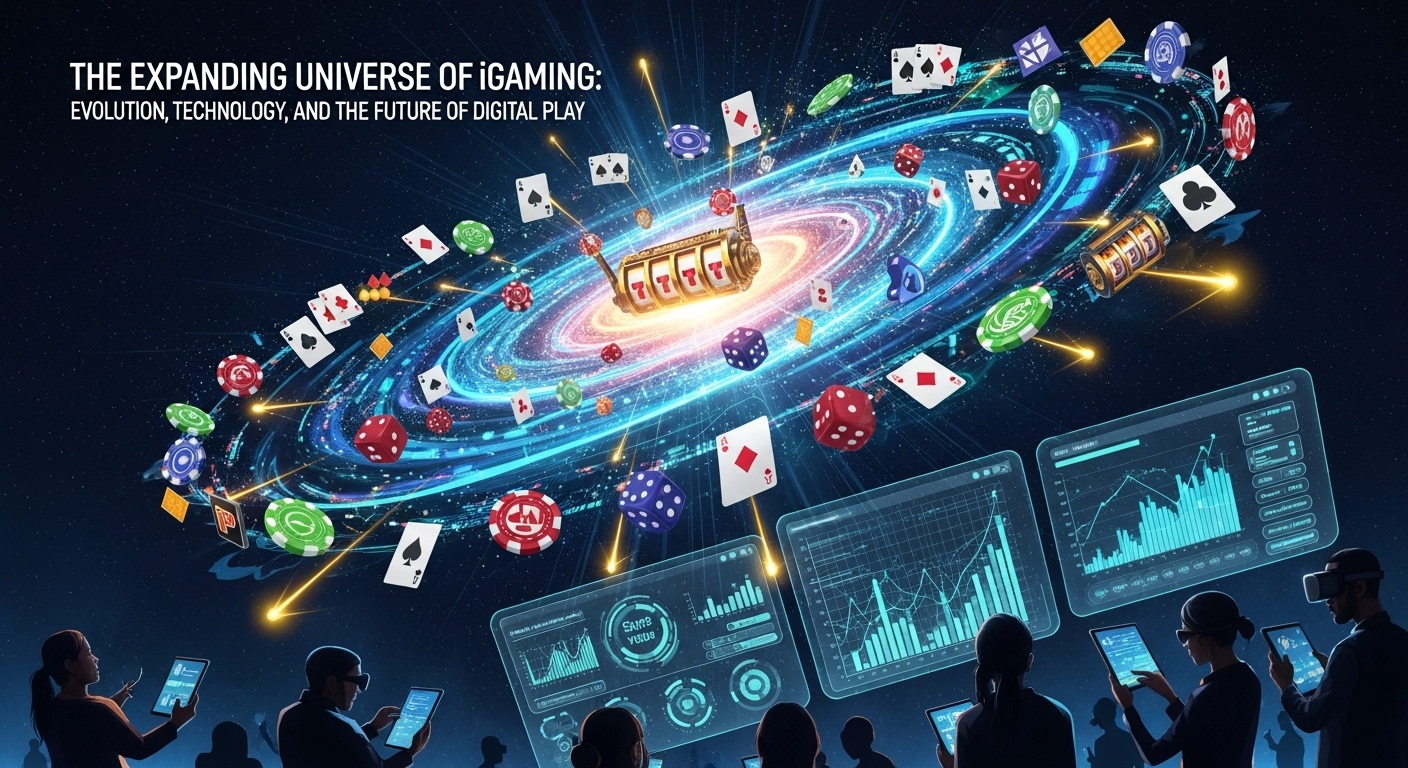
The gaming industry has experienced a dramatic transformation over the last decade. The rise of digital technology and widespread internet access has given birth to the iGaming industry, a sector that includes online casinos, sports betting, poker, and other interactive gaming platforms. iGaming is not just about entertainment; it has become a significant part of modern culture, influencing how people socialize, spend their free time, and engage with technology. In this blog, we explore the evolution, trends, challenges, and future of iGaming, offering a comprehensive understanding of this rapidly growing industry.
The Evolution of iGaming
iGaming began in the 1990s with the launch of the first online casinos and poker sites. Early platforms were basic, offering simple games with minimal graphics and limited interaction. Despite technological limitations, these platforms introduced a revolutionary idea: gambling and gaming from the comfort of one’s home. Over the years, advancements in software, internet speed, and user interface design have transformed iGaming into a sophisticated ecosystem. Today’s platforms offer immersive experiences with high-quality graphics, interactive gameplay, and real-time social features.
What iGaming Platforms Offer
Modern iGaming platforms are diverse and cater to a wide range of preferences. Online casinos provide classic games such as roulette, blackjack, and baccarat, alongside modern slot machines featuring story-driven gameplay and 3D graphics. Sports betting platforms allow users to place bets on live events, offering real-time updates and interactive statistics. Poker platforms connect players from around the world for casual games or high-stakes tournaments. Many platforms also incorporate loyalty programs, bonuses, and rewards to enhance player engagement and retention.
The Role of Technology in iGaming
Technology has been a driving force behind the growth of iGaming. Mobile technology has made it possible for players to access games anywhere, anytime. Platforms now offer mobile-optimized applications for both iOS and Android devices, ensuring smooth and responsive gameplay. Artificial intelligence is being used to analyze player behavior, detect fraud, and create personalized experiences. Virtual reality and augmented reality technologies are also emerging, offering immersive environments that replicate the feeling of being in a real casino.
Psychology of Online Gaming
iGaming platforms often employ behavioral psychology to enhance player engagement. Elements such as variable reward schedules, leaderboards, achievements, and daily bonuses are designed to keep players motivated. Gamification strategies create a sense of accomplishment and encourage competition. Understanding these psychological factors is essential for both developers and players. While these features increase engagement, they can also contribute to problem gambling if not managed responsibly. Responsible gaming practices are critical to maintaining a safe and enjoyable experience.
Economic Impact of iGaming
The iGaming industry contributes significantly to the global economy. It generates billions in revenue annually and has created numerous jobs across sectors such as software development, marketing, customer support, and cybersecurity. Many countries recognize iGaming as a legitimate industry, regulating it to ensure transparency and taxation. Beyond the platforms themselves, iGaming stimulates growth in related industries, including technology, finance, and entertainment. Its economic impact highlights the importance of the industry as a sustainable and influential sector.
Regulation and Legal Considerations
Regulation is a cornerstone of the iGaming industry. Governments worldwide have implemented varying levels of oversight to ensure fairness and protect players. Licensing ensures platforms adhere to standards regarding game fairness, security, and responsible gaming. Regulatory bodies also enforce age verification, spending limits, and self-exclusion tools to safeguard vulnerable players. For players, understanding local laws and regulations is crucial, as unlicensed platforms may pose significant risks.
Social Dimensions of iGaming
iGaming is often more social than people realize. Multiplayer games, live dealer casinos, and online poker allow players to interact with others in real time. Global tournaments bring together players from different countries, fostering connections and community. Social features such as chat functions, friend invitations, and shared achievements enhance engagement and make the experience interactive. These social dimensions differentiate iGaming from traditional gambling and appeal to younger audiences who value connectivity and interaction.
Trends Shaping the Future of iGaming
Several trends are shaping the future of iGaming. Mobile-first design remains a priority as players increasingly access platforms via smartphones. Artificial intelligence is expected to further personalize gaming experiences, offering targeted promotions and customized game recommendations. Virtual and augmented reality will create fully immersive gaming environments, enhancing realism and engagement. Blockchain technology is gaining traction, enabling secure payments and supporting cryptocurrency-based gaming. Additionally, responsible gaming initiatives are evolving alongside these trends, ensuring player protection in a rapidly changing digital landscape.
Mobile Gaming and Accessibility
Mobile devices have made iGaming accessible to a global audience. Mobile-optimized apps provide smooth navigation, instant updates, and on-the-go gaming. This accessibility allows players from diverse backgrounds and locations to engage with games without visiting physical casinos. Mobile technology also supports features such as push notifications, live updates, and exclusive mobile rewards, increasing user engagement. The convenience and accessibility offered by mobile gaming are key drivers behind the industry’s rapid growth.
Challenges in the iGaming Industry
Despite its growth, iGaming faces several challenges. Security is a top concern, as platforms must protect sensitive player data from cyber threats. Regulatory compliance can be complex due to varying laws across regions. Problem gambling remains a critical issue, requiring tools for self-regulation and support. The industry is highly competitive, pushing platforms to innovate constantly to attract and retain players. Balancing growth with legal, ethical, and social responsibilities is a challenge that defines the success of iGaming operators.
Responsible Gaming and Player Protection
Responsible gaming is essential in iGaming. Platforms must implement tools and practices to protect players, including age verification, self-exclusion options, deposit limits, and reality checks. Educating players about the risks of gambling and promoting healthy habits is critical. Partnerships with mental health organizations help identify problem behaviors and provide support. A focus on responsible gaming not only ensures player safety but also strengthens the credibility and sustainability of the industry.
Impact on Entertainment Culture
iGaming has significantly influenced modern entertainment culture. It combines elements of gaming, social interaction, and competition, creating experiences that appeal to a wide audience. The industry has also influenced other forms of digital entertainment, such as streaming, esports, and interactive media. By integrating technology, psychology, and social interaction, iGaming has redefined what it means to entertain and engage a global audience.
Conclusion
iGaming represents a revolutionary shift in the way people interact with digital entertainment. From its humble beginnings in the 1990s to the sophisticated, mobile-optimized platforms of today, it has become an influential industry with global reach. Technology, psychology, and social engagement have combined to create immersive experiences that appeal to millions of players worldwide. While challenges such as regulation, security, and responsible gaming exist, the future of iGaming remains bright, with innovation continuing to drive growth and redefine digital entertainment. As technology evolves, iGaming will continue to offer players engaging, accessible, and exciting experiences, shaping the entertainment landscape for years to come.