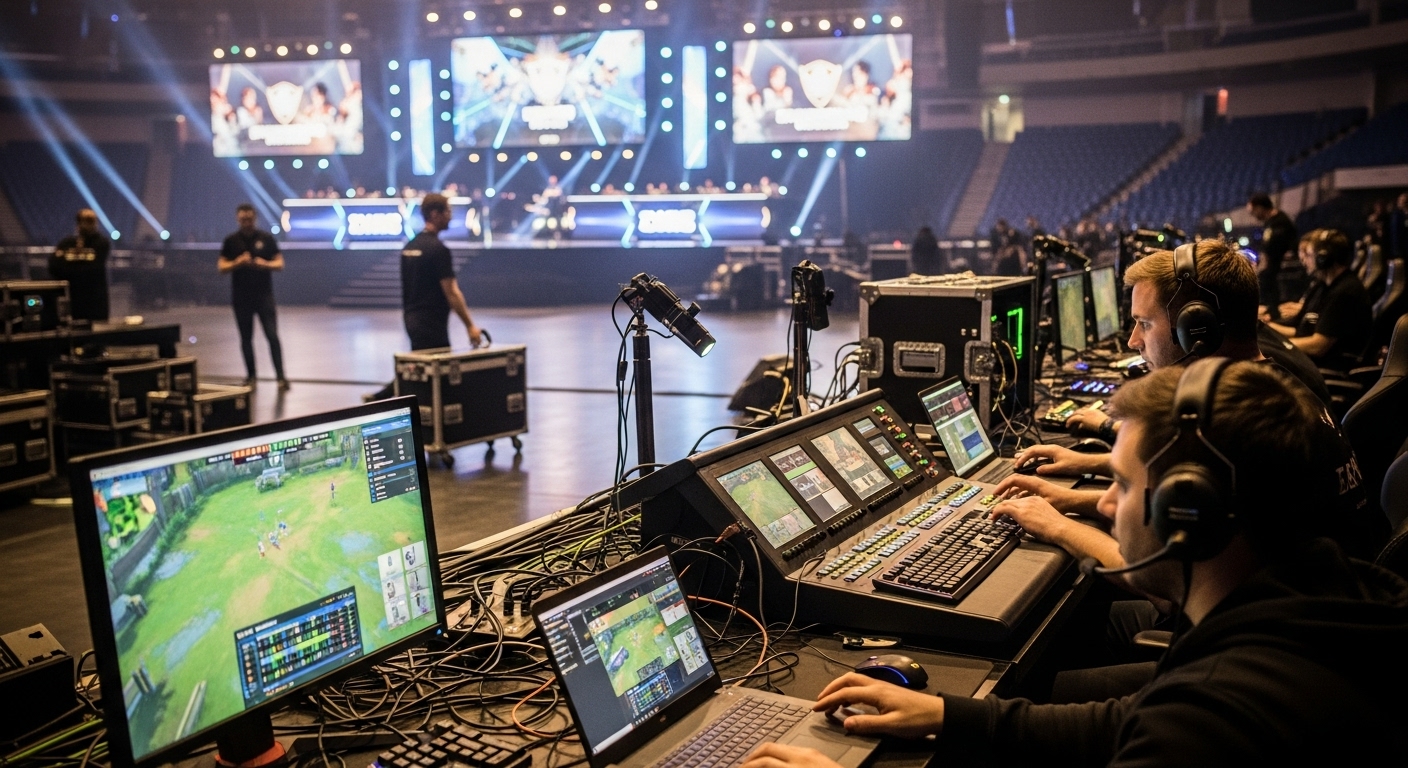
Esports, once a niche hobby confined to LAN parties and small gatherings, has evolved into a global phenomenon. Today, stadiums fill up with tens of thousands of fans, millions more tune in online, and production values rival those of traditional sports broadcasts. While the spotlight often shines on players, teams, and the high-stakes competition on screen, the real magic often unfolds behind the scenes.
From production crews and technical staff to event organizers, sponsors, and broadcasters, the world of esports events is a complex ecosystem that demands precision, creativity, and teamwork. This blog post takes you behind the curtain to explore what it really takes to make an esports event successful.
The Scope of Modern Esports Events
Esports events today range from local grassroots tournaments to massive global spectacles like The International for Dota 2, the League of Legends World Championship, or CS:GO Majors. Each of these requires a vast infrastructure, including:
- Venue management: Choosing and preparing stadiums or arenas.
- Production teams: Ensuring broadcasts run smoothly.
- Technical operations: Managing servers, internet connections, and game setups.
- Player logistics: Coordinating travel, accommodations, and practice schedules.
- Sponsorships and partnerships: Ensuring financial backing and brand integration.
- Audience experience: Engaging live and online fans.
The seamless experience viewers enjoy is only possible because of meticulous planning and thousands of working hours by professionals most fans never see.
Stage One: Planning and Pre-Production
The journey of any esports event begins long before the first match.
1. Conceptualizing the Event
Organizers start with a clear vision: What kind of event is it going to be? Will it be a regional qualifier, a charity show match, or a global championship? The scale determines everything from venue size to staffing needs.
For instance, a community-level Valorant tournament may require only a rented hall and a few PCs, while an event like Worlds (League of Legends World Championship) involves months of planning, global travel, and multi-million-dollar budgets.
2. Venue Selection and Logistics
Choosing a venue is no simple task. Organizers must consider:
- Seating capacity (for live audiences).
- Connectivity (internet speeds and backup systems).
- Stage design possibilities (for immersive experiences).
- Accessibility (for international teams and fans).
Some iconic venues like the Staples Center (Los Angeles), Mercedes-Benz Arena (Berlin), and Beijing National Stadium have hosted esports finals, cementing esports’ legitimacy as large-scale entertainment.
3. Sponsorship and Funding
Esports events are expensive. From renting arenas to setting up high-end production equipment, costs can soar into the millions. Sponsors step in to cover much of these expenses. Energy drink companies, tech giants, and gaming hardware brands frequently fund events. These partnerships must feel authentic to fans, so integration strategies are carefully planned.
4. Building the Broadcast Blueprint
Esports thrives online, so production crews must prepare for live streams across platforms like Twitch, YouTube, and regional broadcasters. This includes:
- Camera setups.
- Observer feeds (in-game camera work).
- Replays and highlights.
- Commentary and analysis desks.
This blueprint acts as a script for the event, ensuring smooth transitions between gameplay, breaks, and entertainment segments.
Stage Two: Technical Setup
Once planning concludes, teams begin transforming venues into high-tech arenas.
1. The Stage and Set Design
The stage is the visual heart of the event. Designers blend creativity with technology to create immersive atmospheres. Think of holographic dragons flying across the arena during LoL Worlds or the elaborate steampunk themes used in Overwatch League.
Every detail, from lighting and LED screens to pyrotechnics and AR effects, is carefully coordinated. Fans don’t just come to watch a game; they come for a spectacle.
2. Networking and Servers
Perhaps the most critical element is internet connectivity. Lag, dropped frames, or server crashes can ruin the credibility of an event. Technical staff ensure:
- High-speed dedicated servers.
- Backup internet lines.
- On-site monitoring systems.
They also test the games extensively to prevent software glitches during competition.
3. Player Areas and Equipment
Behind the stage, teams have dedicated practice rooms, outfitted with identical PCs and peripherals to ensure fairness. Event staff provide equipment that meets pro standards, including gaming monitors with low latency, high-performance headsets, and ergonomic chairs.
Player comfort and focus are prioritized because even minor issues can affect performance at the highest level.
4. Sound and Visual Production
Audio engineers handle microphones for casters, player comms, crowd reactions, and in-game sounds. Simultaneously, visual directors oversee the broadcast, switching between player cams, in-game action, and audience shots. This coordination mirrors what you’d find in a traditional sports broadcast, only with digital layers added.
Stage Three: The People Behind the Curtain
1. Event Organizers
They oversee the entire operation, making sure deadlines are met, and everyone—from sponsors to teams—is satisfied.
2. Tournament Administrators
Also known as “TOs,” they handle brackets, scheduling, and rule enforcement. They’re the referees of esports, ensuring competitive integrity.
3. Observers
Observers are unsung heroes. They control the in-game camera that audiences watch, ensuring viewers don’t miss crucial moments. A skilled observer can turn a standard match into an exhilarating experience.
4. Broadcast Talent
Casters, analysts, and hosts bring personality to the broadcast. Their role is more than commentary—they entertain, educate, and energize fans.
5. Technical Crew
From lighting specialists to sound engineers, these professionals keep everything running. They often troubleshoot issues live, under immense pressure.
6. Volunteers and Support Staff
Large-scale esports events rely on volunteers for tasks like ticketing, fan engagement, and guiding attendees. Though they aren’t in the spotlight, they help create smooth experiences for fans.
Stage Four: Fan Engagement
Esports thrives because of its passionate community. Organizers invest heavily in creating memorable fan experiences.
1. On-Site Experiences
- Merchandise stalls.
- Meet-and-greet opportunities with players.
- Interactive gaming zones where fans can try the latest titles.
- Cosplay competitions celebrating gaming culture.
2. Online Engagement
Not everyone can attend live, so digital engagement is crucial:
- Live chat interactions.
- Social media campaigns (#Worlds2025, for example).
- Virtual reality watch parties.
- Drops and rewards for viewers (skins, loot boxes).
3. Building Atmosphere
Crowd energy matters. Choreographed light shows, music performances, and crowd activities (like chants or wave motions) make the live experience electric. For players, hearing thousands of fans cheer amplifies the pressure—and the glory.
Stage Five: Challenges Behind the Scenes
Even with meticulous planning, problems inevitably arise.
1. Technical Glitches
Despite robust setups, server downtime, power outages, or sound issues can occur. Quick fixes and backup plans are crucial.
2. Scheduling Conflicts
Matches sometimes run longer than expected, throwing off schedules. Event organizers must be flexible while maintaining fan satisfaction.
3. Player Health and Fatigue
Players often face long practice schedules, travel exhaustion, and intense pressure. Event organizers now emphasize wellness rooms, physiotherapists, and proper rest.
4. Security Concerns
From managing crowd safety at stadiums to preventing online hacks, security is a massive concern. Teams work closely with both local authorities and cybersecurity experts.
5. Balancing Commercials and Integrity
Sponsors keep the event alive financially, but organizers must balance brand integration without alienating fans who demand authenticity.
Stage Six: Post-Event Operations
The end of the final match doesn’t mark the end of the event.
1. Tear Down and Logistics
Technical teams dismantle stages, pack equipment, and ensure assets are safely transported to storage or the next venue.
2. Post-Mortem Reviews
Organizers and staff hold meetings to discuss what went well and what needs improvement. These insights help shape future events.
3. Content Creation
Highlights, documentaries, and recap videos are produced for fans who missed the event or want to relive the excitement.
4. Financial Wrap-Up
Sponsorship reports, ticket revenue, and broadcast rights are reviewed. Organizers ensure stakeholders see value in their investment.
The Evolution of Esports Event Production
Esports events today rival—and sometimes surpass—traditional sports in spectacle. Innovations like augmented reality, holograms, and virtual stages have become staples. In 2017, LoL Worlds showcased a giant AR dragon flying across a stadium, setting a new benchmark.
Looking ahead, advancements in virtual reality and AI-driven production could revolutionize esports broadcasts, making them even more immersive.
Why Behind-the-Scenes Work Matters
The glamorous moments of esports—crowds cheering, confetti falling, champions lifting trophies—are built on the foundation of tireless behind-the-scenes work. Every cable, light, and camera angle contributes to the magic.
Without the production teams, administrators, and technical staff, esports wouldn’t be the global phenomenon it is today. Their work ensures fans worldwide can experience competitive gaming at its best.
Conclusion
Esports events may appear effortless to fans, but behind the scenes lies a symphony of coordination, technology, and passion. From pre-production planning and technical setups to live event management and post-production content, every stage demands meticulous effort.
The next time you watch a thrilling esports final, remember the hundreds—sometimes thousands—of professionals working behind the curtain to bring you that moment. Their dedication ensures that esports continues to grow, evolve, and inspire millions around the world