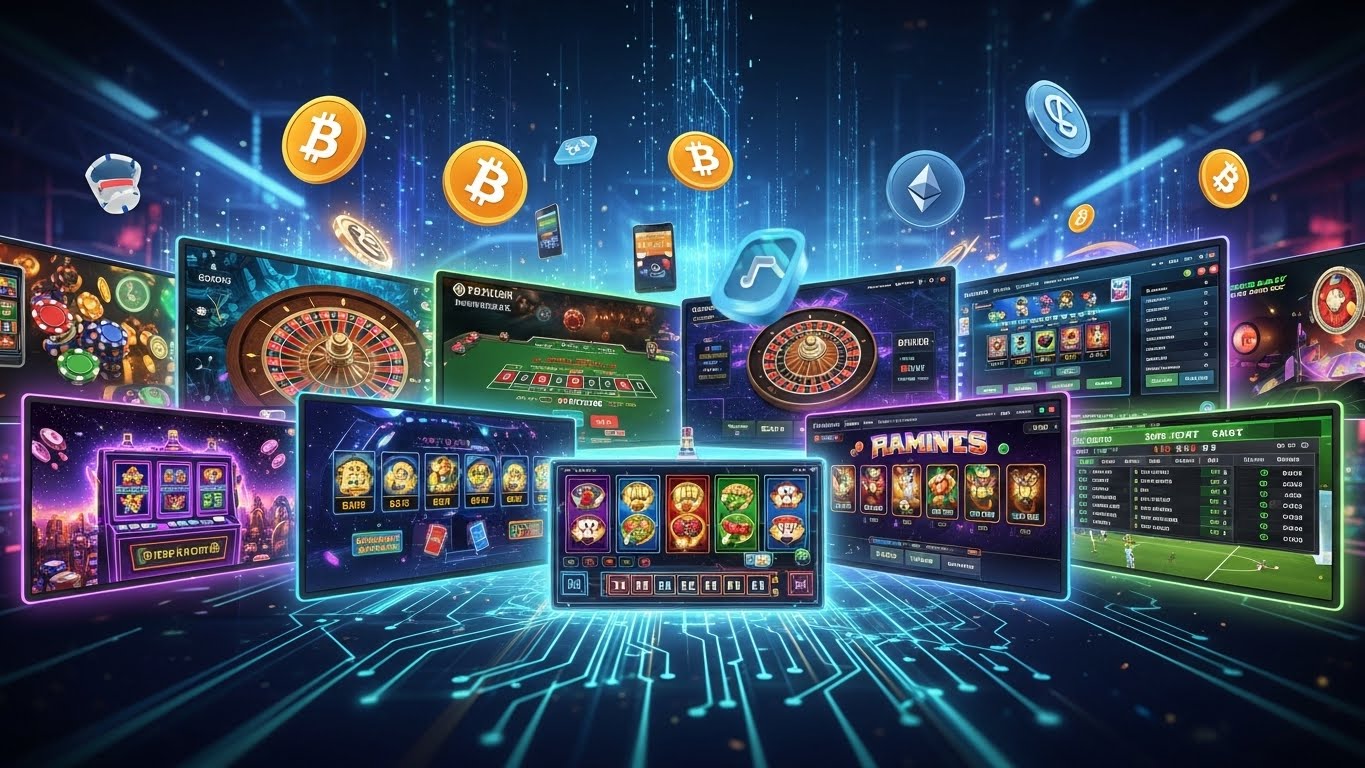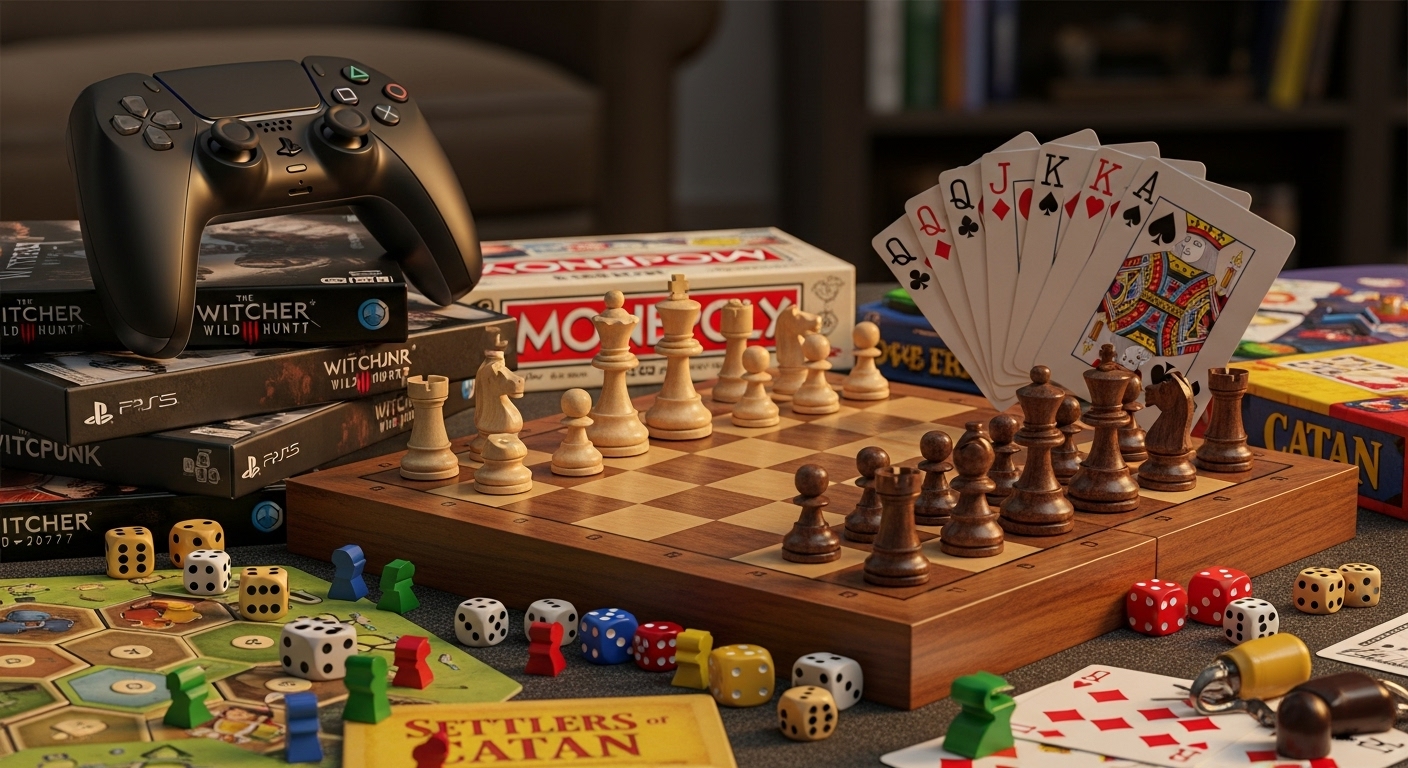

Games have been an integral part of human civilization for centuries. From ancient board games to modern digital experiences, they provide a unique blend of entertainment, education, and social interaction. Games are no longer confined to childhood or leisure hours; they have evolved into complex ecosystems that influence culture, technology, and even personal development. This blog explores the diverse world of games, their significance, and the various forms they take today.
The History of Games: From Ancient Times to Modern Entertainment
The history of games dates back thousands of years. Ancient civilizations created games to entertain, teach strategy, and even simulate real-life scenarios. One of the earliest known games is Senet from ancient Egypt, which was more than a pastime—it had spiritual significance and was believed to guide the soul in the afterlife. Similarly, chess, originating in India, evolved into a game of deep strategy, challenging the intellect of its players for centuries.
Throughout history, games have reflected societal norms, cultural values, and human creativity. They have been tools of learning, social bonding, and mental exercise. Even before the digital age, games played an essential role in developing critical thinking, planning, and teamwork skills.
The Evolution of Video Games: A Technological Marvel
The advent of computers and technology revolutionized gaming. Video games emerged as a new form of entertainment in the 1970s and 1980s, starting with simple arcade games. Titles like Pong and Space Invaders captured the imagination of millions, offering interactive experiences that were previously unimaginable.
As technology progressed, video games became more sophisticated. The introduction of home consoles, personal computers, and advanced graphics enabled developers to create immersive worlds with complex storylines. Modern video games combine storytelling, art, and technology, creating experiences that can be both emotionally engaging and intellectually stimulating. Today, gaming is a multi-billion-dollar industry, with millions of players worldwide participating in online multiplayer games, competitive esports, and virtual reality adventures.
The Role of Games in Cognitive Development
Games are not just entertainment; they also play a crucial role in cognitive development. Both traditional and digital games can enhance memory, improve problem-solving skills, and increase strategic thinking. Puzzle games, for instance, challenge the brain to find solutions, enhancing analytical thinking and creativity. Strategy games teach planning, resource management, and decision-making, skills that are valuable in real-life situations.
Research has shown that certain games can improve spatial awareness, hand-eye coordination, and reaction time. Educational games, specifically designed for learning, make complex subjects engaging and easier to understand. In essence, games are powerful tools for mental stimulation, making learning both enjoyable and effective.
Social Interaction and Community in Gaming
Games are inherently social experiences. Board games have historically brought people together around a table, encouraging communication, cooperation, and friendly competition. In the digital era, online multiplayer games connect players from different parts of the world, creating global communities centered around shared interests.
Social interaction in gaming fosters teamwork, leadership, and conflict resolution skills. Cooperative games require players to work together to achieve common goals, promoting collaboration and communication. Competitive games, on the other hand, teach resilience, adaptability, and sportsmanship. Gaming communities also provide a sense of belonging, where individuals can share experiences, exchange tips, and celebrate achievements.
Unique Genres of Games and Their Appeal
The world of games is vast, encompassing a wide variety of genres that cater to different tastes and preferences. Action games provide adrenaline-pumping experiences, demanding quick reflexes and precise timing. Role-playing games immerse players in fictional worlds, allowing them to explore characters, storylines, and moral dilemmas.
Simulation games replicate real-world activities, offering players a chance to experiment with scenarios in a risk-free environment. Puzzle games challenge the intellect, while strategy games test planning and decision-making skills. Each genre offers unique experiences, ensuring that there is something for everyone, whether they seek adventure, relaxation, or mental stimulation.
Games as a Cultural Phenomenon
Games have become a significant part of global culture. They influence fashion, music, film, and even language. Iconic game characters and stories have become cultural symbols, transcending the medium to inspire art, literature, and cinema. Gaming conventions, tournaments, and online streams attract millions of fans, reflecting the cultural impact and popularity of games.
Moreover, games often mirror societal trends and issues. Many modern games address themes such as morality, identity, social justice, and environmental concerns. Through storytelling and interactive experiences, games provide a platform for reflection, empathy, and discussion, making them more than just recreational activities.
The Psychological Impact of Gaming
Gaming has psychological benefits as well as challenges. Positive effects include stress relief, improved mood, and enhanced cognitive abilities. Engaging in games allows individuals to escape from daily pressures, offering a sense of achievement and satisfaction. Multiplayer games provide social support and foster friendships, contributing to emotional well-being.
However, excessive gaming can lead to addiction and social isolation. It is important to maintain a balanced approach, setting limits on screen time and ensuring that gaming complements other aspects of life. Responsible gaming practices, such as breaks, moderation, and mindful engagement, maximize the benefits while minimizing potential drawbacks.
The Future of Gaming: Innovation and Immersion
The future of gaming promises unprecedented innovation and immersion. Technologies like virtual reality, augmented reality, and artificial intelligence are transforming how games are experienced. Virtual reality creates fully immersive worlds where players can interact physically and emotionally with the environment. Augmented reality blends digital elements with the real world, opening new possibilities for interactive storytelling and gameplay.
Artificial intelligence enhances gameplay by providing intelligent opponents, dynamic narratives, and adaptive challenges. Cloud gaming allows players to access high-quality games without expensive hardware, making gaming more accessible than ever. The future of gaming is not just about entertainment; it is about creating experiences that are interactive, immersive, and emotionally engaging.
Games as a Career and Industry
Gaming is no longer just a hobby; it is a viable career path. Professional gamers, streamers, game developers, designers, and content creators make a living from their passion. The esports industry, in particular, has grown exponentially, offering opportunities for competitive play, sponsorships, and global recognition.
The game development industry also provides creative and technical careers. From concept art to programming, sound design to marketing, every aspect of game creation requires skill, creativity, and dedication. The demand for talented individuals continues to grow as the industry expands, making games a significant contributor to the global economy.
Conclusion: The Enduring Magic of Games
Games are far more than mere entertainment; they are a reflection of human creativity, culture, and intellect. From ancient board games to cutting-edge digital experiences, they offer opportunities for learning, social interaction, and personal growth. Games challenge the mind, foster community, and inspire imagination, proving that they are a vital part of human life.
As technology continues to evolve, games will become even more immersive and influential, shaping not only how we play but how we think, connect, and experience the world. Whether as a pastime, a profession, or a cultural phenomenon, games hold a special place in our hearts, reminding us that play is not just for children—it is a lifelong adventure.