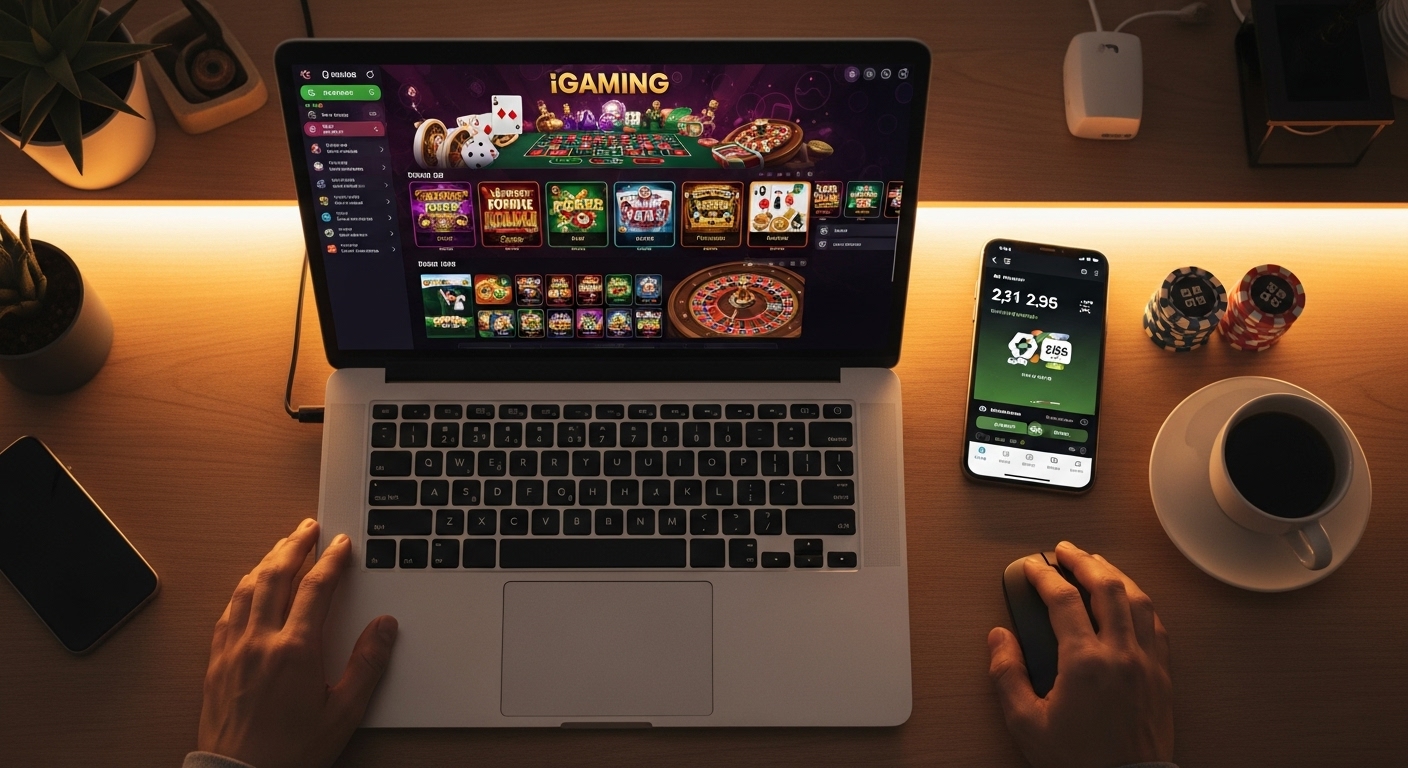

The gaming world has witnessed remarkable transformations in recent decades, and perhaps no sector has evolved more dramatically than iGaming. From humble beginnings in the 1990s to becoming a multi-billion-dollar industry, online gambling has reshaped how people interact with casinos, sports betting, and other games of chance. In this blog post, we’ll dive deep into the world of iGaming, explore its origins, understand its rise in popularity, and analyze the current trends driving this dynamic sector forward.
What is iGaming?
iGaming refers to online gambling, which encompasses a wide range of gaming activities conducted through the internet. It includes virtual casinos, sports betting, poker rooms, lottery games, and even esports betting. The term “iGaming” emerged to distinguish online gambling from traditional, land-based gambling establishments, which were historically confined to brick-and-mortar locations. Over the years, the convenience of playing games from home, coupled with the technological advancements in internet connectivity and security, has made iGaming a staple of digital entertainment.
The Beginnings of iGaming
The birth of online gambling can be traced back to the early 1990s when the internet was just starting to be commercialized. The introduction of the first online casino, InterCasino, in 1996, marked the beginning of a new era for the gambling world. This innovative platform allowed players to wager real money on virtual casino games such as blackjack, roulette, and slots, all from the comfort of their own homes.
In the years that followed, iGaming expanded rapidly as new companies entered the market, developing increasingly sophisticated online gambling platforms. Initially, the industry was largely unregulated, with few laws governing online gambling. However, as more people flocked to the virtual casinos, governments began taking notice, and regulatory frameworks slowly began to take shape.
The Growth of Online Casinos
By the early 2000s, online casinos had gained massive popularity. The appeal of playing slot machines, poker, and other classic casino games from a laptop or desktop computer proved irresistible to millions of players worldwide. The increased access to high-speed internet also contributed to the sector’s growth, making it possible for users to have seamless gaming experiences from virtually anywhere.
As online casinos became more sophisticated, developers began offering live dealer games, where real human dealers interact with players via live video feeds. These live casino games bridged the gap between traditional land-based casinos and their online counterparts, enhancing the sense of realism and immersion for players.
One of the key drivers behind the explosion of online casinos was the rise of mobile technology. As smartphones and tablets became ubiquitous, players could now access their favorite gambling sites wherever they were, be it on public transportation, at home, or even while traveling abroad. This added a layer of convenience and flexibility to the gaming experience, propelling the industry into mainstream popularity.
The Role of Sports Betting in iGaming
While online casinos have been a dominant force in iGaming, sports betting has also played a significant role in shaping the industry’s growth. Online sports betting allows users to place wagers on various sporting events, from football and basketball to horse racing and esports.
The global appeal of sports made sports betting an attractive prospect for iGaming operators. For example, the introduction of online platforms like Bet365 and DraftKings revolutionized the way sports betting was conducted, allowing bettors to place real-time wagers, track odds, and participate in fantasy sports leagues.
In 2018, the U.S. Supreme Court struck down a federal ban on sports betting, paving the way for individual states to legalize the activity. This landmark ruling had a profound impact on the iGaming industry, leading to a surge in sports betting platforms across the United States. In just a few short years, the U.S. sports betting market has evolved into one of the largest in the world, attracting both traditional gamblers and a new generation of sports enthusiasts.
iGaming and the Advent of Cryptocurrency
One of the most significant technological developments influencing iGaming today is the rise of cryptocurrency. Digital currencies like Bitcoin and Ethereum have made it easier for players to engage in anonymous and secure transactions without the need for traditional banking intermediaries. Many online casinos and sportsbooks now accept cryptocurrency deposits and withdrawals, appealing to players who value privacy and fast, low-cost transactions.
Cryptocurrency has also introduced new possibilities for iGaming operators. Blockchain technology, for example, allows for transparent and provably fair gaming, where players can verify the fairness of the games they participate in. This innovation has helped address some of the trust issues that have historically plagued online gambling.
The integration of cryptocurrency has also led to the emergence of “crypto casinos,” platforms that exclusively use digital currencies. These casinos often offer unique bonuses, lower fees, and faster payout times, attracting a growing segment of tech-savvy gamblers.
The Regulatory Landscape of iGaming
As iGaming continues to expand, the issue of regulation has become an increasingly important consideration. Gambling is an activity that has long been subject to strict laws and regulations, and the rise of online platforms has prompted many governments to introduce new frameworks to ensure fairness, security, and responsible gambling practices.
The regulatory landscape of iGaming varies significantly from one jurisdiction to another. In some countries, online gambling is fully legal and regulated, while in others, it remains prohibited or is subject to heavy restrictions. Some of the leading jurisdictions for iGaming include Malta, the United Kingdom, Gibraltar, and Curacao, where operators can obtain licenses to offer their services to players.
In the United States, the regulatory situation is more complex. Although the 2018 Supreme Court ruling allowed states to legalize sports betting, online casinos and other forms of iGaming remain illegal in many states. However, there are signs that attitudes toward iGaming are changing, as more states move toward legalizing online gambling to generate tax revenue and curb illegal gambling activities.
The key challenges for regulators in the iGaming space include preventing fraud, ensuring player protection, and addressing concerns about problem gambling. Many reputable iGaming operators have implemented responsible gambling measures, such as self-exclusion options, deposit limits, and 24/7 customer support for at-risk players.
Trends Shaping the Future of iGaming
As the iGaming industry continues to evolve, several key trends are expected to shape its future:
- Mobile Gaming: The continued dominance of mobile technology will further fuel the growth of iGaming. Mobile apps and optimized websites will make it even easier for players to access their favorite games anytime and anywhere.
- Live Dealer Games: The popularity of live dealer games is expected to grow as players seek more immersive, real-time experiences. These games allow players to interact with human dealers, creating a more authentic casino atmosphere.
- Esports Betting: Esports has become a massive global phenomenon, and with it comes a surge in esports betting. Platforms that allow players to wager on competitive video game tournaments are expected to expand significantly.
- Artificial Intelligence (AI): AI will play a pivotal role in enhancing user experience, personalizing game recommendations, and detecting fraud. AI-powered systems can help operators predict player behavior, optimize bonuses, and tailor marketing efforts to specific customer segments.
- Virtual and Augmented Reality (VR/AR): The potential of VR and AR to create fully immersive, lifelike gaming environments could revolutionize the online casino experience. Players may one day be able to step into virtual casino rooms, interact with other players, and enjoy a more realistic gambling experience.
Conclusion: The Future of iGaming
The iGaming industry has come a long way since its early days in the 1990s. With a growing market, technological innovations, and increasing regulatory oversight, the sector is poised to continue its upward trajectory for years to come. As new trends emerge, players will benefit from more immersive and personalized experiences, while operators will continue to innovate and adapt to meet the needs of a diverse and evolving audience.
For those who enjoy the thrill of gambling, iGaming offers a vast array of options, from classic casino games to cutting-edge esports betting. Whether you’re a seasoned player or a newcomer, the world of iGaming provides something for everyone—no matter where you are. As the industry grows, it will undoubtedly continue to shape the future of online entertainment, merging technology, gaming, and gambling in ways that were once thought impossible.