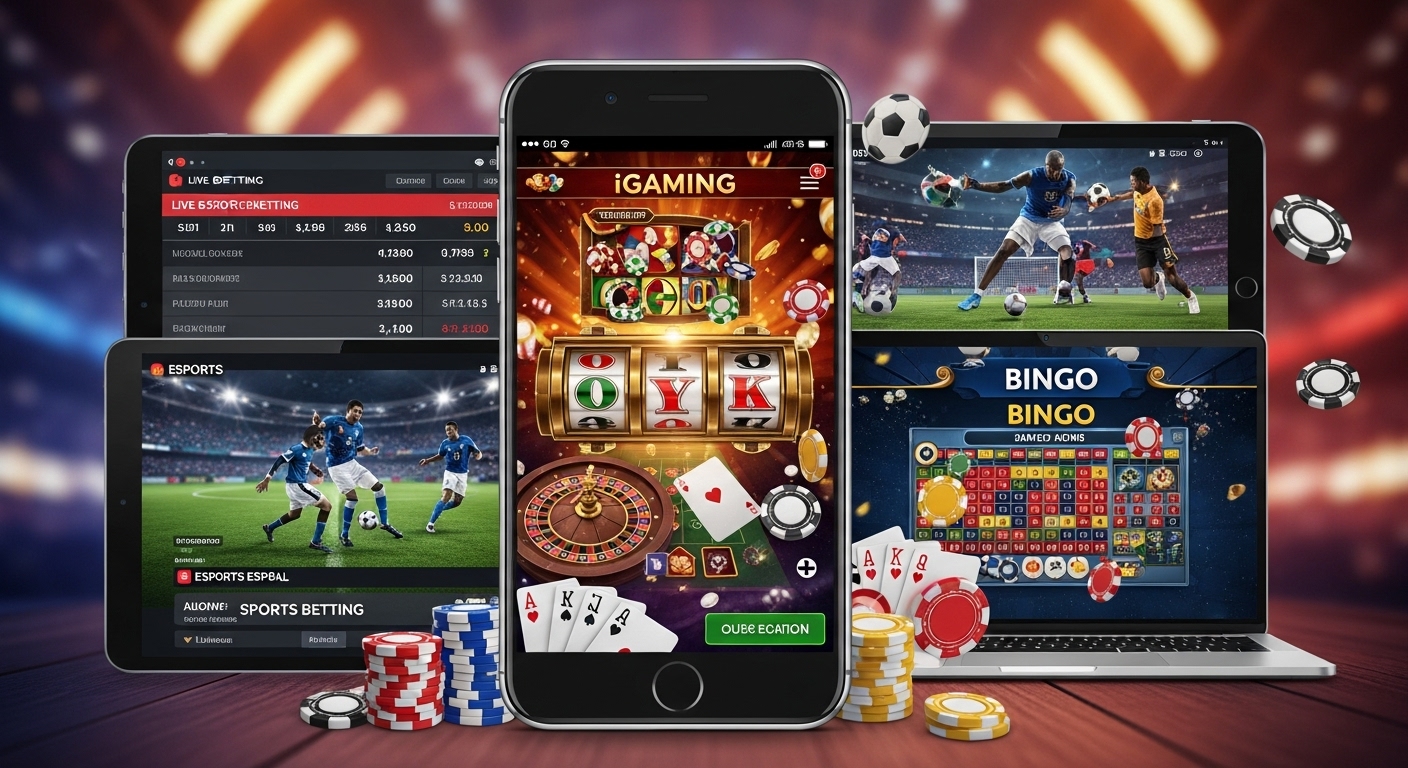

The world of gambling has undergone a dramatic transformation over the past few decades, evolving from land-based casinos to the rapidly expanding domain of iGaming. Whether it’s through online poker, sports betting, or virtual slot machines, iGaming has become a massive global industry, reaching new audiences and continuously innovating its offerings. The convenience of placing bets from the comfort of home, combined with the rise of mobile technology and cutting-edge software, has changed the landscape of gambling forever. In this blog post, we’ll explore what iGaming is, how it works, the legal landscape surrounding it, the technologies driving its growth, and the future of the industry.
What is iGaming?
iGaming, short for “interactive gaming,” refers to any form of gambling that is conducted over the internet. This includes online casinos, sports betting, online poker rooms, and other virtual gambling platforms. The industry encompasses a wide variety of games that allow users to place real-money wagers and compete or gamble against other players or computer algorithms.
Unlike traditional casinos that require players to be physically present, iGaming enables users to participate from anywhere, at any time, provided they have an internet connection. The convenience, coupled with the wide variety of games and betting options, has made iGaming increasingly popular over the past decade. It has opened up a new realm for both experienced gamblers and newcomers to engage with gambling in a secure, accessible, and often more affordable way.
The Growth and Popularity of iGaming
The growth of iGaming can be attributed to several key factors. First and foremost, advancements in internet technology have made it easier for individuals to access gambling platforms. As broadband internet and mobile devices became more widespread, the barriers to entry for online gaming were dramatically lowered. Now, players can access a diverse range of games and gambling experiences on their smartphones, tablets, and computers.
Another key driver of iGaming’s popularity is the increasing acceptance of online gambling. Over the years, attitudes toward gambling, particularly online, have evolved. Once considered a taboo or illegal activity in many parts of the world, gambling is now widely viewed as an enjoyable form of entertainment. Many countries have begun to regulate online gambling, establishing clear frameworks for how it should operate, which further legitimizes the industry.
In addition to technology and regulation, iGaming’s global reach is a major contributor to its success. With the internet’s ability to connect people across borders, online gambling platforms have been able to tap into a massive global audience. Online poker tournaments, for example, allow players from different countries to compete against each other, while sports betting platforms cater to fans of every major sport, worldwide.
Types of iGaming
iGaming encompasses a wide range of gambling activities, each with its own unique appeal. Below are some of the most common types of iGaming available today.
Online Casinos
Online casinos are the cornerstone of the iGaming industry. These platforms offer a wide variety of classic casino games such as blackjack, roulette, poker, and baccarat, as well as thousands of virtual slot machines. Online casinos mimic the experience of a traditional brick-and-mortar casino, but with the added convenience of remote access. Players can play in real time with live dealers or use automated systems, depending on the type of game. With advancements in graphics and software, online casinos now feature high-quality, immersive environments that replicate the look and feel of real-life casinos.
Sports Betting
Sports betting is one of the most popular forms of iGaming. It allows individuals to place wagers on a variety of sports, from traditional games like football, basketball, and soccer to more niche sports such as eSports, tennis, and even virtual sports. Sports betting platforms often provide live betting options, where users can place bets during a match as it unfolds. This dynamic and interactive form of gambling has captivated millions of sports fans worldwide.
Online Poker
Online poker has become a global sensation, with millions of players competing in virtual poker rooms. Poker’s popularity as a competitive card game made the transition to online platforms relatively seamless. Players can engage in cash games or enter tournament-style events, with some of the most prestigious tournaments, like the World Series of Poker, now having online counterparts. Online poker allows users to participate in a wide variety of poker variants, including Texas Hold’em, Omaha, and Seven-Card Stud.
Virtual Sports and Esports Betting
Virtual sports are computer-simulated games that resemble real-life sports, such as football, horse racing, and basketball. These events are powered by algorithms and RNG (random number generators), making them fast-paced and exciting. Because they are virtual, these games can take place at any time, offering near-instant results.
Esports betting has also emerged as a major subset of iGaming. Players can place bets on competitive video game tournaments, such as League of Legends, Dota 2, and Counter-Strike: Global Offensive. The growing popularity of esports has led to an increase in betting opportunities, with online platforms offering odds on everything from match outcomes to in-game events.
The Technology Behind iGaming
The iGaming industry has been transformed by cutting-edge technologies. These innovations have not only improved the overall user experience but have also paved the way for more secure, engaging, and dynamic gambling experiences.
Mobile Technology
Mobile gaming has played a pivotal role in the growth of iGaming. With the advent of smartphones and tablets, players can now gamble anytime and anywhere. Mobile casinos and sports betting platforms are designed to work seamlessly on smaller screens, providing a rich and responsive user experience. The widespread use of mobile devices has made it possible for players to access their favorite gambling platforms on the go, leading to a sharp increase in the number of mobile iGaming players.
Live Dealer Games
Live dealer games have become a staple in online casinos, offering players the opportunity to interact with real-life dealers while playing their favorite table games. These games are streamed in real-time from professional studios or land-based casinos, allowing users to place bets and participate in games such as blackjack, roulette, and baccarat. The live dealer feature combines the best aspects of traditional casino experiences with the convenience of online gaming, providing an immersive and interactive experience for players.
Blockchain and Cryptocurrencies
Blockchain technology and cryptocurrencies have begun to make their mark on iGaming. Blockchain offers a transparent, decentralized way to record transactions, making it more secure and verifiable for players. Some iGaming platforms now accept cryptocurrencies like Bitcoin and Ethereum for deposits and withdrawals. These digital currencies offer players the ability to make fast, anonymous transactions, adding an additional layer of privacy and convenience.
Artificial Intelligence (AI) and Data Analytics
AI and data analytics are playing an increasingly important role in iGaming. AI can be used to improve customer service through chatbots and virtual assistants, while data analytics can help platforms understand user preferences and offer personalized experiences. Additionally, AI-powered algorithms are often used to detect fraudulent activities, identify problem gamblers, and ensure fair play in online games.
The Legal Landscape of iGaming
The legal landscape of iGaming is complex and varies greatly depending on the country or region. Some countries have fully embraced iGaming, regulating it and collecting tax revenue from online gambling operations. Other countries, however, have strict laws prohibiting online gambling, and players may face penalties if they participate in illegal online betting.
In countries where iGaming is legal, operators must adhere to a series of regulations designed to protect players, ensure fair play, and prevent fraud. Regulatory bodies often require operators to obtain licenses, implement responsible gambling measures, and undergo regular audits to maintain compliance with legal standards.
In recent years, the trend toward legalization of online gambling has gained momentum, particularly in countries like the United States, Canada, the United Kingdom, and certain parts of Europe. As a result, the global iGaming market continues to grow at a rapid pace, with more regions establishing clear legal frameworks for operators and players alike.
Responsible Gambling and Player Protection
As with any form of gambling, iGaming comes with risks. The ease of access and the immersive nature of online gambling can make it difficult for some individuals to control their spending. For this reason, responsible gambling is a key focus for many iGaming operators.
Most regulated online gambling platforms offer a range of tools to help players manage their gambling habits. These tools include self-exclusion options, deposit limits, and links to resources for problem gambling. Operators are also required to verify the age of players to prevent underage gambling and ensure that they are legally eligible to gamble.
The Role of Customer Support
Customer support is crucial in the iGaming industry, especially when dealing with financial transactions and disputes. Many platforms offer 24/7 customer service via live chat, email, and phone support, ensuring that players can resolve issues quickly. In addition, forums and communities dedicated to online gambling allow players to share their experiences and seek advice from fellow gamblers.
The Future of iGaming
The future of iGaming looks bright, with continued advancements in technology, broader legalization, and the ever-expanding global audience for online gambling. Some of the most exciting trends to watch in the coming years include:
Virtual Reality (VR) and Augmented Reality (AR)
As virtual reality and augmented reality technologies become more accessible, we can expect to see the iGaming industry adopt these technologies to create fully immersive, 3D gambling environments. Imagine stepping into a virtual casino and interacting with dealers and players in a completely realistic setting.
Integration of Social Gaming Features
Social gaming features, such as multiplayer functionality and social media integration, are likely to become more prevalent in iGaming platforms. This could help create a more interactive, community-driven experience for players, enhancing the social aspect of online gambling.
Continued Growth of Esports Betting
As esports continue to grow in popularity, esports betting will also see a rise. The increasing mainstream acceptance of esports as a legitimate competitive sport will attract more players and betting opportunities, making it a major pillar of the iGaming industry.