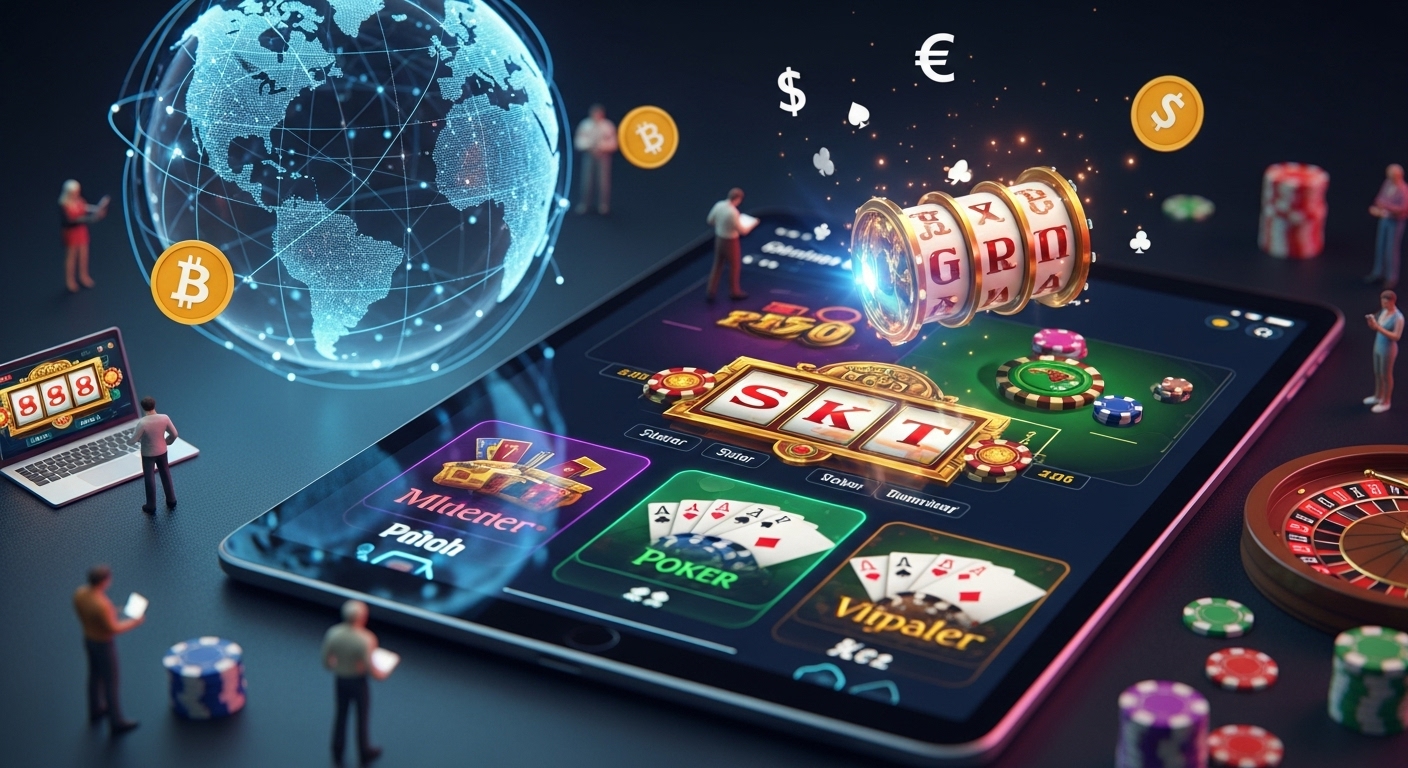

Introduction to iGaming
The rise of iGaming marks one of the most transformative shifts in the global entertainment landscape. What once started as simple computer-based card games has evolved into a billion-dollar industry that brings together technology, creativity, and human interaction. iGaming, short for “interactive gaming,” refers to online platforms where players can participate in various forms of digital betting, casino games, sports wagering, poker, and other gaming experiences. This industry is not just about winning or losing; it is about how people engage with digital environments, communities, and immersive technologies that redefine how entertainment works in the modern world.
The Evolution of iGaming
The story of iGaming began in the mid-1990s when the internet started to become accessible to the public. Early online casinos were simple, offering only a handful of games with basic graphics and minimal user experience. Over time, improvements in internet speed, software development, and mobile technology gave rise to an entirely new generation of online gaming experiences. The introduction of live dealer games, multiplayer modes, and real-time tournaments brought an authentic and social element to the digital space.
As technology advanced, so did the ambitions of iGaming developers. They integrated artificial intelligence, blockchain systems, and advanced security measures to create transparent and safe environments for players. Today, iGaming platforms feature realistic 3D environments, virtual reality options, and sophisticated reward systems that make online gaming more engaging than ever.
The Technology Behind iGaming
At the heart of iGaming’s success lies cutting-edge technology. Software providers use advanced algorithms and random number generators to ensure fair play, while high-quality graphics engines create lifelike visuals and sound effects. Artificial intelligence has also become a key player in improving the user experience by personalizing content and detecting unusual behavior to enhance security.
One of the most revolutionary technologies shaping iGaming is blockchain. This decentralized system ensures that transactions are transparent, secure, and tamper-proof. It also introduces the concept of digital currencies, which allows players to deposit and withdraw funds instantly and securely. Additionally, cloud computing and 5G connectivity have further transformed the industry, allowing players to enjoy seamless gameplay across multiple devices without lags or interruptions.
The Growth of Mobile Gaming
Mobile technology has played a vital role in expanding the reach of iGaming. The shift from desktop to mobile devices has made gaming more accessible than ever. Players can now engage in live betting, play poker, or spin slot reels from the comfort of their smartphones or tablets. The convenience of mobile platforms means that gaming is no longer restricted by time or location.
Developers have responded to this shift by designing mobile-optimized interfaces with smooth navigation, intuitive controls, and faster load times. The use of apps has also enhanced the overall gaming experience, providing users with personalized notifications, bonuses, and exclusive offers. The mobile gaming revolution has turned iGaming into a truly global phenomenon, attracting millions of players from different regions and backgrounds.
The Role of Artificial Intelligence and Data Analytics
Artificial intelligence and data analytics have become powerful tools in shaping the iGaming industry. Platforms analyze player behavior, preferences, and habits to offer tailored experiences. For instance, AI can recommend specific games to players based on their interests or adjust difficulty levels to keep them engaged. Moreover, AI-driven customer support chatbots ensure instant assistance, making the gaming journey smoother and more satisfying.
Data analytics also helps gaming operators identify trends, improve marketing strategies, and maintain responsible gaming practices. By understanding player behavior, companies can design systems that encourage healthy gaming habits while minimizing risks associated with excessive play or addiction.
Responsible Gaming and Player Protection
While iGaming offers unmatched excitement and convenience, it also carries the responsibility of ensuring player safety and mental well-being. Responsible gaming has become a central focus for iGaming operators and regulators worldwide. The aim is to promote entertainment in a way that remains safe, fair, and ethical.
Platforms implement strict verification systems to prevent underage gaming, while tools like deposit limits, self-exclusion options, and time reminders help players maintain control. Additionally, collaborations with mental health organizations provide support to individuals struggling with compulsive gaming behavior. By emphasizing transparency and ethical conduct, the industry seeks to build long-term trust among players.
The Social Aspect of iGaming
One of the most fascinating features of iGaming is its strong social dimension. Unlike traditional gaming, which often isolates players, modern iGaming encourages interaction through multiplayer games, live chats, and community tournaments. Live dealer games, for example, allow users to communicate with real hosts and other players in real time, creating a sense of camaraderie and shared experience.
Social media integration has also boosted engagement. Players can share achievements, participate in global competitions, and even build careers as professional gamers or streamers. This sense of community fosters a deeper emotional connection between players and platforms, turning gaming into a shared cultural experience.
The Economic Impact of iGaming
The iGaming industry has not only changed the way people play but also the way economies function. It generates billions of dollars in revenue each year and supports thousands of jobs in software development, customer service, marketing, and cybersecurity. Governments around the world are recognizing the economic benefits of regulating and taxing online gaming, leading to new frameworks that ensure both growth and accountability.
The rise of affiliate marketing, digital advertising, and influencer partnerships within iGaming has also created additional revenue streams. Moreover, the competition among platforms drives innovation, resulting in better quality products and enhanced consumer protection standards.
iGaming and the Future of Virtual Reality
Virtual reality (VR) is poised to be the next major frontier in iGaming. With VR headsets and immersive technologies, players can experience a digital world that feels almost tangible. Imagine walking through a virtual casino, sitting at a digital poker table, or spinning a slot machine surrounded by lifelike sounds and visuals. These advancements blur the line between physical and digital entertainment.
Developers are now exploring the possibilities of combining VR with augmented reality (AR), which could introduce hybrid gaming experiences that integrate real-world environments with digital overlays. Such innovations promise to redefine the meaning of entertainment and bring iGaming to new heights of immersion.
Global Regulations and Legal Challenges
As iGaming expands across borders, regulation becomes a key issue. Different countries have varying legal frameworks governing online gaming activities. Some nations fully embrace iGaming, issuing licenses and enforcing strict compliance rules, while others maintain prohibitions due to social or cultural concerns.
The challenge for operators lies in navigating these complex legal landscapes while maintaining transparency and fairness. Many companies invest heavily in obtaining legitimate licenses and adhering to responsible gaming standards to build credibility. The ongoing evolution of international policies suggests that a more unified and transparent regulatory system may emerge in the future, enabling safer and more consistent experiences for players worldwide.
The Psychology of iGaming
Understanding why people play is central to understanding the success of iGaming. Beyond the possibility of monetary rewards, many players are drawn by excitement, challenge, and social interaction. The use of gamification techniques—such as leaderboards, achievements, and rewards—keeps users engaged and motivated.
Moreover, the sense of autonomy and instant gratification provided by online gaming creates powerful emotional connections. Players enjoy being part of an environment where their decisions directly impact outcomes. This psychological engagement has been key to building long-term player loyalty.
The Future of iGaming
Looking ahead, the iGaming industry shows no signs of slowing down. Continuous advancements in technology, payment systems, and immersive experiences will shape its evolution. Artificial intelligence will likely become even more sophisticated, offering hyper-personalized gaming journeys, while blockchain will ensure unparalleled transparency and trust.
Sustainability will also become a major theme. Companies are beginning to explore environmentally friendly practices, including energy-efficient servers and carbon-neutral operations. Additionally, increased emphasis on responsible gaming and global collaboration among regulators will strengthen the industry’s credibility and social impact.
Conclusion
iGaming stands at the crossroads of innovation, technology, and human interaction. It has transformed from a niche activity into a global powerhouse that influences culture, economy, and entertainment. The fusion of AI, blockchain, and VR has created an ever-evolving ecosystem where creativity and competition coexist.
As the digital world continues to evolve, iGaming will remain a symbol of how technology can reshape traditional experiences into something dynamic and interactive. It represents not only the future of gaming but also a new form of digital expression that brings people together from every corner of the world. The journey of iGaming is far from over—it is only the beginning of a limitless era of interactive entertainment.